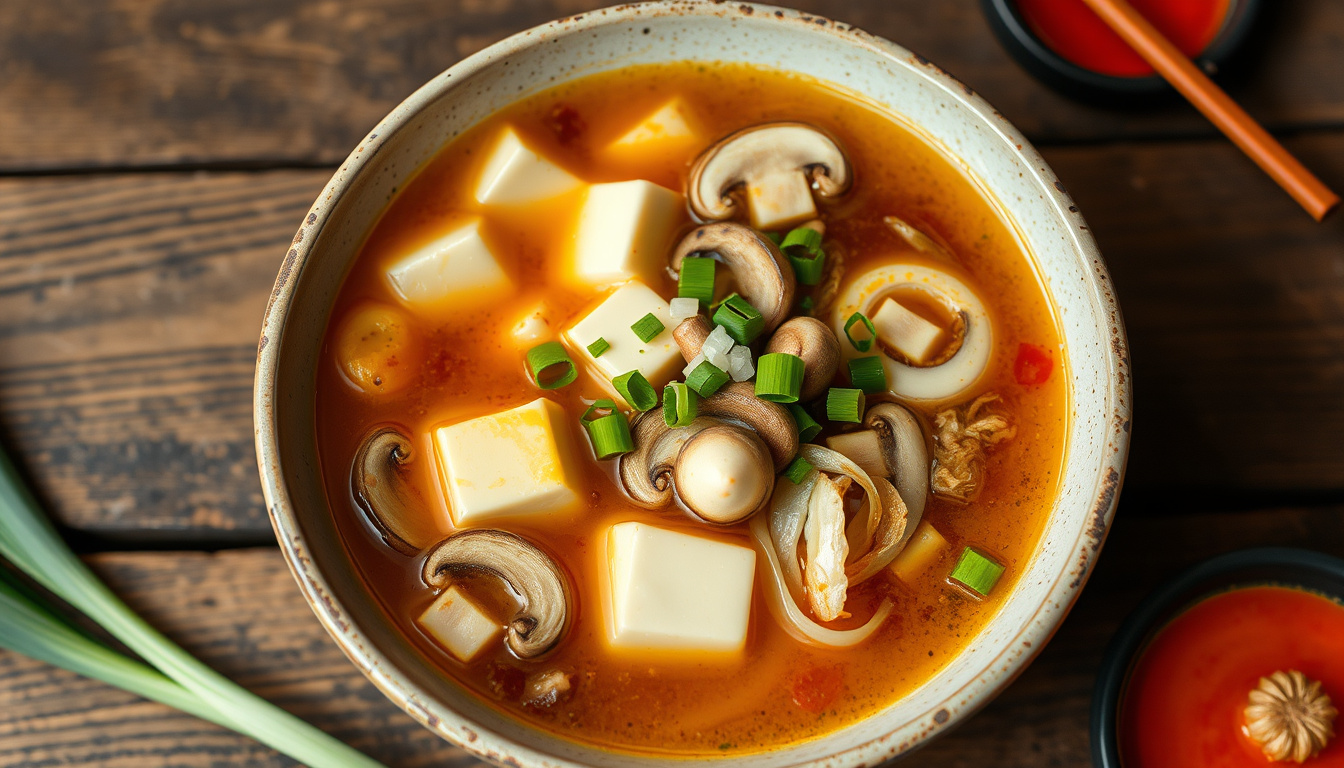
Hot and sour soup, known as Suan La Tang in Chinese, is a beloved dish with roots in Sichuan cuisine. This comforting bowl combines tangy vinegar, white pepper heat, and an array of textures from tofu, mushrooms, and vegetables into a thick, flavorful broth that has won fans worldwide.
The soup has become a staple in Chinese restaurants internationally, with recipes passed down through restaurant families and adapted for home kitchens. Its distinctive balance of sour and spicy flavors makes it instantly recognizable, while the silky egg ribbons and varied ingredients create layers of texture in every spoonful.
Whether you are looking for an authentic recipe, nutritional guidance, or tips for customizing the dish, this guide covers everything you need to know about making hot and sour soup at home.
What Is Hot and Sour Soup?
Hot and sour soup is a thickened Chinese soup characterized by its bold balance of tangy, spicy, and savory flavors. The dish originates from Sichuan province, where it is called Suan La Tang, and has since spread to become one of the most popular soups in Chinese restaurants globally, particularly in North America.
Sichuan Chinese roots with regional variations including Americanized versions
Spicy from white pepper, sour from vinegar, umami from tofu and mushrooms
Prep: 10 mins | Cook: 15 mins | Serves: 4
Approximately 150-216 per serving
Key Characteristics
- Thickened broth achieved through cornstarch slurry creates a silky base
- Beaten eggs drizzled in to form delicate ribbons throughout the soup
- Traditional versions include wood ear mushrooms (mu’er) for texture
- Vinegar added at the end preserves its bright, tangy character
- White pepper provides heat without the redness of chili
- The Wuxi variation uses beef broth with star anise and Sichuan peppercorns
At a Glance: Key Facts
| Fact | Detail |
|---|---|
| Primary Ingredients | Tofu, bamboo shoots, mushrooms, egg, vinegar, white pepper |
| Cuisine | Chinese (Sichuan/American adaptations) |
| Texture | Thickened broth with silky egg ribbons |
| Dietary Notes | Vegetarian adaptable, gluten-free option available |
| Serving Temperature | Served hot, typically as an appetizer |
| Regional Names | Suan La Tang (酸辣汤) in Mandarin |
Classic Hot and Sour Soup Recipe
The authentic recipe combines proteins, dried rehydrated ingredients, vegetables, and seasonings into a harmonious bowl. What follows is a synthesis of classic preparation methods found across multiple Chinese cooking traditions.
What Are the Ingredients in Hot and Sour Soup?
Authentic recipes call for a mix of proteins, dried ingredients, vegetables, and seasonings that work together to create layers of flavor and texture. Serious Eats provides excellent guidance on constructing flavorful broth foundations for Chinese soups.
- Broth base: 8 cups low-sodium chicken stock (or vegetable stock for vegetarian versions)
- Proteins: Marinated and shredded pork, firm tofu, silken tofu
- Dried ingredients: Wood ear mushrooms (mu’er), shiitake mushrooms, day lily buds
- Vegetables: Bamboo shoots, carrot, scallion
- Seasonings: Light soy sauce, dark soy sauce, rice vinegar, white pepper, ginger, sesame oil, salt, sugar
- Thickener: Cornstarch slurry (1/4 to 1/3 cup cornstarch mixed with water or stock)
- Finish: 1-2 beaten eggs for ribbons, fresh scallions or cilantro for garnish
How to Make Hot and Sour Soup
This six-step method produces an authentic result with properly thickened broth and distinct egg ribbons. Cook’s Illustrated has conducted thorough testing on thickening techniques that apply directly to this preparation.
- Prep ingredients: Rehydrate wood ears, shiitake, and lily buds in warm water. Marinate pork if using. Mix cornstarch with water or stock to form a smooth slurry.
- Boil base: Bring 8 cups of stock to a simmer in a wok or large pot. Add pork, stirring to separate the pieces, and skim any foam that rises.
- Add solids: Stir in the rehydrated mushrooms, bamboo shoots, lily buds, carrot, and tofu. Simmer for 2-10 minutes until vegetables soften slightly.
- Season: Add light and dark soy sauces, vinegar, white pepper, grated ginger, chili garlic sauce, salt, sugar, and sesame oil. Stir to combine.
- Thicken: Pour the cornstarch slurry into the simmering soup in a slow, circular motion while stirring. Continue simmering until the broth becomes glossy and reaches desired thickness.
- Finish: Drizzle beaten eggs in a thin stream across the surface while stirring constantly to form delicate ribbons. Remove from heat, garnish with scallions or cilantro, and serve immediately.
The slurry must be added slowly while stirring in a circular motion to prevent lumps. Rushing this step results in a clumpy, uneven texture rather than the silky finish that characterizes a well-made soup.
Is Hot and Sour Soup Healthy? Nutrition Facts
One serving of hot and sour soup, approximately 1.5 to 2 cups, contains roughly 216 calories according to tested recipe analyses. The nutritional profile varies based on ingredients and portion sizes, but the dish offers several health-conscious attributes.
For those tracking caloric intake, understanding how different ingredients affect the overall count is useful. If you are calculating your daily energy needs, our guide on How Many Calories Do I Burn a Day – BMR and TDEE Explained provides context for how this dish fits into a balanced diet. Nutrition.gov offers additional resources on building nutritionally balanced meals.
- High protein content from tofu, pork, and egg contribute to satiety
- Low fat preparation when made with reduced-sodium stock and minimal oil
- Diverse vegetables provide fiber, vitamins, and minerals including bamboo shoots, carrots, and mushrooms
- Umami-rich ingredients like mushrooms and tofu support gut health
- White pepper contains capsaicin-related compounds that may aid digestion
- Low-sodium stock options can make this suitable for reduced-sodium diets
To lighten the dish, use vegetable stock instead of chicken stock, reduce tofu portions, or increase vegetable content. Skipping the pork and using extra firm tofu maintains protein while reducing fat.
Vegetarian Variations and Storage Tips
The flexibility of hot and sour soup makes it easy to adapt for vegetarian and vegan diets without sacrificing the signature flavors. BBC Good Food offers extensive collections of adapted Asian recipes suitable for various dietary requirements.
Vegetarian Hot and Sour Soup Recipe
Plant-based versions replace animal proteins while preserving the essential balance of sour and spicy notes.
- Substitute chicken stock with vegetable stock or water
- Replace pork with extra firm tofu, silken tofu, or soy tofu sheets
- Use mushrooms and glass noodles to provide textural variety
- Include wood ear mushrooms and shiitake for umami depth
- No-broth vegetarian versions rely on cornstarch slurry for body
Can You Freeze Hot and Sour Soup?
Hot and sour soup can be frozen, though some textural changes may occur depending on the ingredients used. Food Network provides comprehensive guidance on proper food storage techniques that apply to this and similar dishes.
- Refrigerate in airtight containers for up to 4-5 days
- Reheat gently over low heat to prevent broth separation
- Freeze in portioned containers for up to 2-3 months
- Thaw overnight in the refrigerator before reheating
- Add extra slurry if the broth has thinned after thawing
- Avoid freezing if the soup contains a high egg ratio, as ribbons may become rubbery
Egg-heavy soups do not freeze well. The delicate egg ribbons lose their silky texture and can become rubbery after thawing. For best results, freeze the broth and solids separately and add fresh egg ribbons when serving.
Origins and History of Hot and Sour Soup
The origins of hot and sour soup trace back centuries to Sichuan province, where the interplay of numbing Sichuan pepper and tangy vinegar defined regional flavor principles. Wikipedia’s overview of Sichuan cuisine provides detailed historical context for understanding this region’s culinary traditions.
- Pre-1900s: Sichuan origins in Mandarin cuisine establish the foundational flavor profile
- Early 20th century: Regional variations develop, including Wuxi adaptations using beef broth
- 1970s: Popularized in American Chinese restaurants as a signature appetizer
- Modern era: Vegan, gluten-free, and home-adapted versions emerge globally
Family recipes passed down through generations of restaurant owners often include slight variations in seasoning ratios or ingredient choices. Some families trace their versions to grandfather-owned establishments, where the soup became a signature item.
Understanding the Balance: What Makes Hot and Sour Soup Spicy and Sour?
The distinctive character of this soup comes from the precise balance of competing flavors. Understanding which ingredients contribute to each element helps home cooks adjust the dish to their preferences.
| Established Information | Aspects That May Vary |
|---|---|
| Vinegar provides the sour component | Some recipes use rice vinegar, others prefer black rice vinegar |
| White pepper delivers heat without visible redness | Pepper quantity varies by regional preference |
| Soy sauces add savory, salty depth | Balance between light and dark酱油 varies by recipe |
| Ginger rounds out the flavor profile | Fresh versus ground ginger affects intensity |
| Sugar balances acidity and enhances other flavors | Exact amount depends on vinegar strength |
Common Mistakes and How to Avoid Them
Even experienced cooks encounter challenges with this seemingly simple soup. Knowing the pitfalls helps ensure success on the first attempt.
- Adding slurry too fast: Creates lumps instead of a glossy, thickened broth. Always add gradually while stirring in a circular motion.
- Over-boiling after eggs: Breaks the delicate ribbons into fragments. Reduce heat before adding eggs and avoid vigorous boiling afterward.
- Inadequate rehydration: Dried ingredients like wood ears and lily buds become tough if not properly soaked before cooking.
- Skipping the foam: Failure to skim the broth results in a cloudy appearance rather than a clear, appetizing base.
- Adding vinegar too early: Heat diminishes its bright tang. Add vinegar near the end of cooking for maximum sourness.
- Using boiling heat for egg ribbons: The soup should simmer gently. Boiling turbulence shatters the egg into small pieces rather than flowing ribbons.
Serving Suggestions and Culinary Context
Hot and sour soup traditionally serves as an appetizer in Chinese meals, preparing the palate for subsequent dishes. Its bold flavors also make it satisfying enough to stand alone as a light meal.
The soup pairs well with fried rice dishes, stir-fried vegetables, and steamed main courses. Its acidity cuts through rich or oily dishes, while the warmth and spice provide comfort during colder months.
Regional versions reflect local preferences. American Chinese restaurant versions tend to be sweeter and less spicy than their Sichuan counterparts, with increased bamboo shoot content. The Wuxi variation incorporates beef broth and traditional Muslim adaptations sometimes exclude certain seasonings.
Summary
Hot and sour soup represents a cornerstone of Chinese-American cuisine, combining the bold flavors of Sichuan cooking with accessible ingredients that home cooks can master. The key to success lies in balancing the competing elements of sour, spicy, and savory while achieving the proper texture through careful thickening and egg ribbon technique.
Whether following an authentic recipe or adapting the dish for vegetarian diets, the fundamental principles remain consistent: add thickener gradually, maintain gentle heat when adding eggs, and adjust seasonings at the end to achieve the signature taste.
Frequently Asked Questions
What makes hot and sour soup spicy and sour?
White pepper provides the heat, while rice vinegar or black vinegar delivers the sour component. The balance between these two elements defines the soup’s character.
Can you freeze hot and sour soup?
Yes, for 2-3 months in airtight containers. Thaw overnight and reheat gently. Note that egg-heavy versions may experience textural changes.
How do you get smooth egg ribbons in hot and sour soup?
Drizzle beaten eggs in a thin stream into gently simmering soup while stirring constantly. Avoid boiling and add eggs only after reducing heat.
Is hot and sour soup gluten-free?
Standard recipes use soy sauce, which contains gluten. Use tamari or coconut aminos as substitutes for a gluten-free version.
What can I substitute for wood ear mushrooms?
Regular white mushrooms or dried shiitake can replace wood ears. The texture differs, but the flavor contribution remains similar.
How long does hot and sour soup last in the refrigerator?
Up to 4-5 days in an airtight container. Reheat gently over low heat, adding extra slurry if the broth has thinned.
Why is my hot and sour soup lumpy?
The cornstarch slurry was likely added too quickly or without sufficient stirring. Pour slowly in a circular motion while maintaining constant stirring.
Can I make hot and sour soup without meat?
Absolutely. Substitute vegetable stock for chicken stock and replace pork with extra tofu, mushrooms, or glass noodles for texture.

Oliver William Davies Thompson is a staff writer for MetroReport.uk, covering city news, transport, housing and urban policy. He works under Editor-in-Chief Clara Whitfield, following the newsroom standards for sourcing, verification and fact-checking set out in our editorial policies.