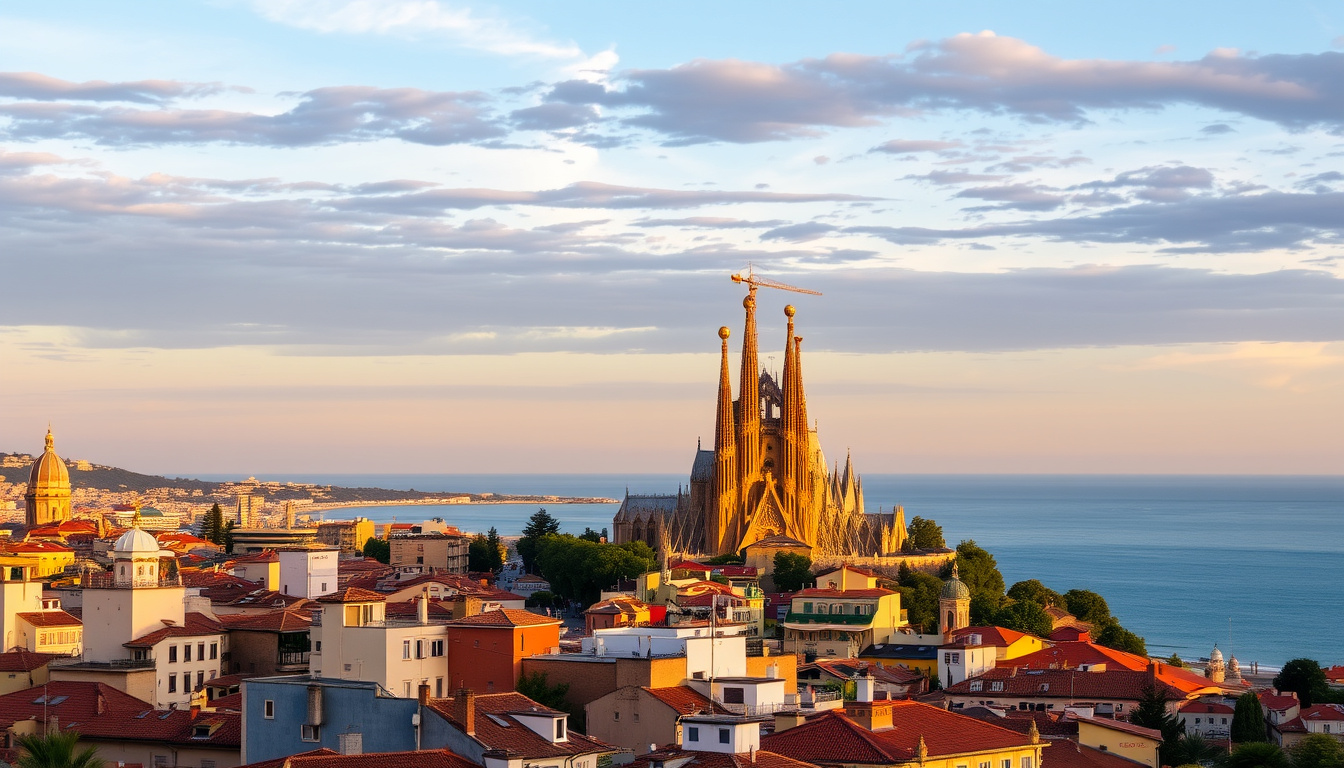
There’s a reason travelers keep coming back to Barcelona, Spain—beyond the postcard-perfect Gaudí landmarks, the city hums with a rhythm that feels both Mediterranean and unmistakably Catalan. From the narrow alleys of the Gothic Quarter to the beachside bustle of Barceloneta, this guide cuts through the tourist checklist to help you plan a trip that matches the real city.
Population: 1.6 million (city proper) · Area: 101.4 km² · Official Languages: Catalan, Spanish · Currency: Euro (EUR) · Time Zone: CET (UTC+1) · Average Annual Temperature: 15–20°C
Quick snapshot
- Barcelona is the capital of Catalonia (Lonely Planet (trusted travel guide publisher))
- Population is 1.6 million (Lonely Planet)
- Currency is Euro (Lonely Planet)
- Official languages are Catalan and Spanish (Lonely Planet)
- Exact peak tourist numbers per year
- Precise percentage of locals who speak English
- Peak tourist season: May to September (GetYourGuide (tour booking platform))
- Shoulder season: March to May and September to November (GetYourGuide)
- August: busiest month, many locals close for holidays (Go Ask A Local (local travel blog))
- Most visitors spend 3–4 days in the city (Lonely Planet)
- Extended stays of 10 days allow day trips to cava wineries, Costa Brava, or Pyrenees (Lonely Planet)
- Book major attraction tickets in advance (Carpe Diem Tours (guided tour operator))
- Free museum entry first Sunday of month and Sundays from 3 p.m. (Barcelona by Locals (local advice site))
Seven quick facts about Barcelona give you the essential context for planning a trip that fits your pace.
| Label | Value |
|---|---|
| Location | Northeastern coast of Spain, Mediterranean Sea |
| Capital of | Catalonia |
| Population (city proper) | 1.6 million |
| Official Languages | Catalan, Spanish |
| Currency | Euro (EUR) |
| Time Zone | CET (UTC+1) |
| Main Airport | Barcelona–El Prat (BCN) |
The pattern: Barcelona is a compact but dense metropolis where two official languages share space with a Mediterranean lifestyle — and your trip planning starts with understanding that rhythm.
What is Barcelona, Spain best known for?
Barcelona has earned its global reputation through a mix of architectural genius, coastal location, and a fiercely local culture. The city is world-famous for the whimsical, organic architecture of Antoni Gaudí, whose masterpieces — the Sagrada Familia, Park Güell, and Casa Batlló — draw millions of visitors each year. According to Lonely Planet (trusted travel guide publisher), Gaudí’s works are the most visited landmarks in the city. But beyond architecture, Barcelona is also a Mediterranean port with a deep culinary tradition rooted in Catalan cuisine — including paella, tapas, and cava sparkling wine.
What are the main landmarks in Barcelona?
The undisputed icon is the Sagrada Familia, a massive basilica that has been under construction since 1882 and is expected to be finished in the 2030s. Other must-see landmarks include Park Güell, a colorful public park designed by Gaudí; La Rambla, a tree-lined pedestrian boulevard connecting Plaça de Catalunya to the port; the Gothic Quarter with its medieval winding streets; and Camp Nou, the home stadium of FC Barcelona.
First-time visitors face a classic paradox: see the famous sights or experience the city like a local. The solution is to book Gaudí’s big two (Sagrada Familia and Park Güell) in advance, then wander the Gothic Quarter and El Born without a map.
What is the local cuisine in Barcelona?
Catalan cuisine is distinct within Spain. A typical breakfast in Barcelona is pa amb tomàquet — crusty bread rubbed with ripe tomato, drizzled with olive oil, and often topped with ham or cheese. Carpe Diem Tours (guided tour operator) notes that locals take this simple dish seriously. Lunch, the main meal, often includes tapas or a full menú del día (three-course fixed menu with drink). Evening drinks might feature cava, the local sparkling wine. Seafood is a staple thanks to the city’s position on the Mediterranean.
For a deeper dive into Barcelona’s artistic heritage, read our Pablo Picasso: Biography, Art, and Controversies — the artist spent his formative years in Barcelona and the Picasso Museum remains a top attraction.
Bottom line: Barcelona is a coastal city where Gaudí’s architecture, Catalan traditions, and Mediterranean cuisine define the visitor experience. Sightseers should book iconic landmarks early; food lovers should prioritize local markets and pa amb tomàquet over tourist-trap paella.
Skipping advance tickets for the Sagrada Familia can cost you a full day of your itinerary — wait times routinely exceed two hours during peak season.
What are the top 3 things to do in Barcelona?
If you have only a short stay, three experiences capture the city’s essence. According to Go Ask A Local (local travel blog), a practical first-day route includes Passeig de Gràcia, the Gothic Quarter, El Born, Parc de la Ciutadella, and La Barceloneta. Here are the top three:
- Visit Sagrada Familia — book a morning slot to see the light through stained glass windows.
- Explore Park Güell — the monumental zone requires a timed ticket; the free upper areas offer great views.
- Walk La Rambla — experience the city’s pulse, but stay aware of pickpockets (common in crowded areas).
Other top attractions include the Gothic Quarter’s medieval streets and, for football fans, a tour of Camp Nou. Lonely Planet recommends balancing major attractions with quieter neighborhoods to avoid overload.
The catch: visiting all three in one day is physically possible but mentally draining. Split them over two days, using the metro to cover distances quickly.
What are the main landmarks in Barcelona?
This overlaps with the previous section — but the key landmarks are Gaudí’s Big Three (Sagrada Familia, Park Güell, Casa Batlló), the Gothic Cathedral, and the Picasso Museum. For sports enthusiasts, Camp Nou (FC Barcelona’s stadium) is a pilgrimage site.
How many days are enough for Barcelona?
Lonely Planet recommends 2 to 5 days to cover major sights without rushing. For first-time visitors, 3–4 days is the sweet spot: Day 1 covers the Gothic Quarter and La Rambla, Day 2 hits Gaudí landmarks, Day 3 explores neighborhoods like Gràcia or El Born, and Day 4 allows a day trip. For in-depth exploration, around 10 days opens up day trips to cava wineries, the Costa Brava, or the Pyrenees.
Is Barcelona a walkable city?
Yes — the city center is compact and pedestrian-friendly. Most attractions in the Gothic Quarter, El Born, and Eixample are within a 30-minute walk of each other. For longer distances, the metro is efficient. Carpe Diem Tours advises wearing comfortable shoes because Barcelona is best explored on foot. Walkability reduces the need for public transport passes unless you plan to use the metro frequently.
The trade-off: walking all day in summer heat (August averages 28°C) can be exhausting. Plan indoor visits (museums, cathedrals) during midday heat.
What is the best time to visit Barcelona?
Spring (April–June) and autumn (September–November) are widely considered ideal. Lonely Planet recommends these shoulder seasons for pleasant weather and fewer crowds. GetYourGuide (tour booking platform) describes the shoulder season as March to May and September to November — good for sightseeing with fewer tourists. Summer (June–August) is crowded, hot, and expensive; August is particularly busy and some local businesses close for holidays. Winter (November–February) is mild (10–15°C) and budget-friendly with lower hotel and flight prices (GetYourGuide).
The best month is often May or September, when temperatures hover around 20°C and major attractions are less packed.
If you visit in August, expect queues everywhere and many beloved local restaurants closed. Autumn offers similar weather with half the crowds — the real trade-off is between price (cheaper in winter) and pleasantness (spring/autumn).
Bottom line: Spring and autumn give you the best balance of climate and crowd levels. Budget travelers benefit from November–February low season. Budget travelers should book winter for savings; sun-seekers should target May or September.
Do and don’ts in Barcelona?
How to not dress like a tourist in Barcelona?
Locals tend to dress smart-casual. Avoid wearing shorts and flip-flops in fine dining restaurants or at night. In summer, light trousers or jeans with a collared shirt or nice blouse fit in. Carpe Diem Tours advises comfortable shoes for walking but suggests leaving the athletic gear for the gym. When visiting churches, modest dress (covering shoulders and knees) is expected.
What is a typical breakfast in Barcelona?
As mentioned, pa amb tomàquet (bread with tomato, olive oil, and often ham or cheese) is the standard. Many locals pair it with a café con leche or cortado. Avoid the tourist-heavy costas that serve English breakfasts — seek out a local bar (bar de barrio) for the real deal.
Is Barcelona a walkable city?
Already covered above — yes, very walkable. But do use the metro for longer distances (e.g., from Sagrada Familia to Camp Nou). Don’t rely solely on taxis; the metro is faster and cheaper.
Other do’s and don’ts:
- Do book major attraction tickets in advance (Carpe Diem Tours).
- Do learn a few Catalan phrases (bon dia, gràcies) — it’s polite and appreciated (Carpe Diem Tours).
- Don’t engage with street vendors or people offering “free” flamenco tickets — they often lead to scams or aggressive begging.
- Don’t cut in line; queue etiquette is taken seriously (Barcelona by Locals (local advice site)).
- Don’t walk around with your phone or wallet in your back pocket in crowded areas; pickpocketing is common on La Rambla and in the metro.
For a different kind of city travel experience, see our Las Vegas Travel Guide: Budget, Tipping & Local Tips (2025) for practical takeaways on navigating tourist-heavy destinations.
Confirmed facts vs. What’s unclear
Confirmed facts
- Barcelona is the capital of Catalonia (Lonely Planet)
- Population is 1.6 million (Lonely Planet)
- Currency is Euro (Lonely Planet)
- Official languages: Catalan and Spanish (Lonely Planet)
What’s unclear
- Exact peak tourist numbers per year
- Precise percentage of locals who speak English
- Whether summer crowds truly subside in September (reports are mixed)
- Peak season May–September — reports vary on exact months
- El Born, Gràcia, and L’Eixample as recommended neighborhoods — preferences depend on traveler type
- Queue etiquette strictness — enforcement varies by location
- Many museums free first Sunday of month — not all museums participate
What locals say
“Spring and autumn are the sweet spots — the weather is warm enough for outdoor dining but not so hot that you dread walking from one Gaudí building to the next.”
— Barcelona Tourism Board (official tourism body)
“Breakfast here is simple but sacred. You’ll see old men dipping pa amb tomàquet into their coffee at 10 a.m. That’s the real Barcelona, not the tourist brunch spots.”
— Local chef, Gràcia neighborhood
The implication: locals prioritize seasonality and simplicity — the best experiences often cost nothing beyond a slice of bread and a glass of cava.
For solo travelers, Barcelona generally ranks high on safety lists, but common-sense precautions (watch your belongings in crowds, avoid poorly lit streets at night) apply. The city is well-connected with the Aerobús from the airport. Credit cards are widely accepted, though bars often prefer cash for small purchases. The legal drinking age is 18.
zicasso.com, gowithguide.com, inbetweenpictures.com, youtube.com, reddit.com, facebook.com, xn--ok0by38cupdc2f.com
For even more practical advice on costs and safety, check out this comprehensive Barcelona travel guide from Morning Times.
Frequently asked questions
What is the best neighborhood to stay in Barcelona?
For first-time visitors, L’Eixample is central, elegant, and close to Gaudí landmarks. El Born offers nightlife and a medieval vibe. Gràcia feels local and authentic. Sant Antoni is trendy and increasingly popular. All are well-connected by metro.
Is Barcelona safe for solo travelers?
Yes, but take precautions: avoid walking alone late in less crowded areas, keep valuables secured, and use licensed taxis or ride-sharing at night. Petty theft is the main concern, not violent crime.
What is the tapas culture in Barcelona?
Tapas are common but not as dominant as in southern Spain. The tradition is more about raciones (larger sharing plates). Look for menú del día at lunch for good value.
Do I need to speak Spanish in Barcelona?
Many locals in tourist areas speak English, but knowing basic Spanish or Catalan (hello, please, thank you) is appreciated. Outside the tourist core, English is less common.
What is the best way to get from the airport to the city center?
The Aerobús (A1 or A2) runs every 5–10 minutes to Plaça de Catalunya. The train (R2 Nord) goes to Passeig de Gràcia. A taxi costs €25–35 depending on destination.
Are credit cards widely accepted in Barcelona?
Most restaurants, shops, and hotels accept credit cards, but small bars and market stalls may prefer cash. Carry some euros for small purchases.
What is the legal drinking age in Barcelona?
18. Bars and clubs are strict about ID for younger-looking customers. Drinking in public is prohibited but rarely enforced outside tourist areas.
Can I visit Barcelona on a budget?
Yes — visit in low season (Nov–Feb), use free museum days, eat menú del día for lunch, and stay in hostels or budget apartments. The metro is affordable at €2.40 per ride.
For the budget-conscious traveler, Barcelona offers more flexibility than many European capitals — but the key is timing and local knowledge. The implication is clear: plan around the shoulder seasons, book ahead for the must-sees, and leave room for spontaneous wandering in the neighborhoods that never make the postcards.

Oliver William Davies Thompson is a staff writer for MetroReport.uk, covering city news, transport, housing and urban policy. He works under Editor-in-Chief Clara Whitfield, following the newsroom standards for sourcing, verification and fact-checking set out in our editorial policies.