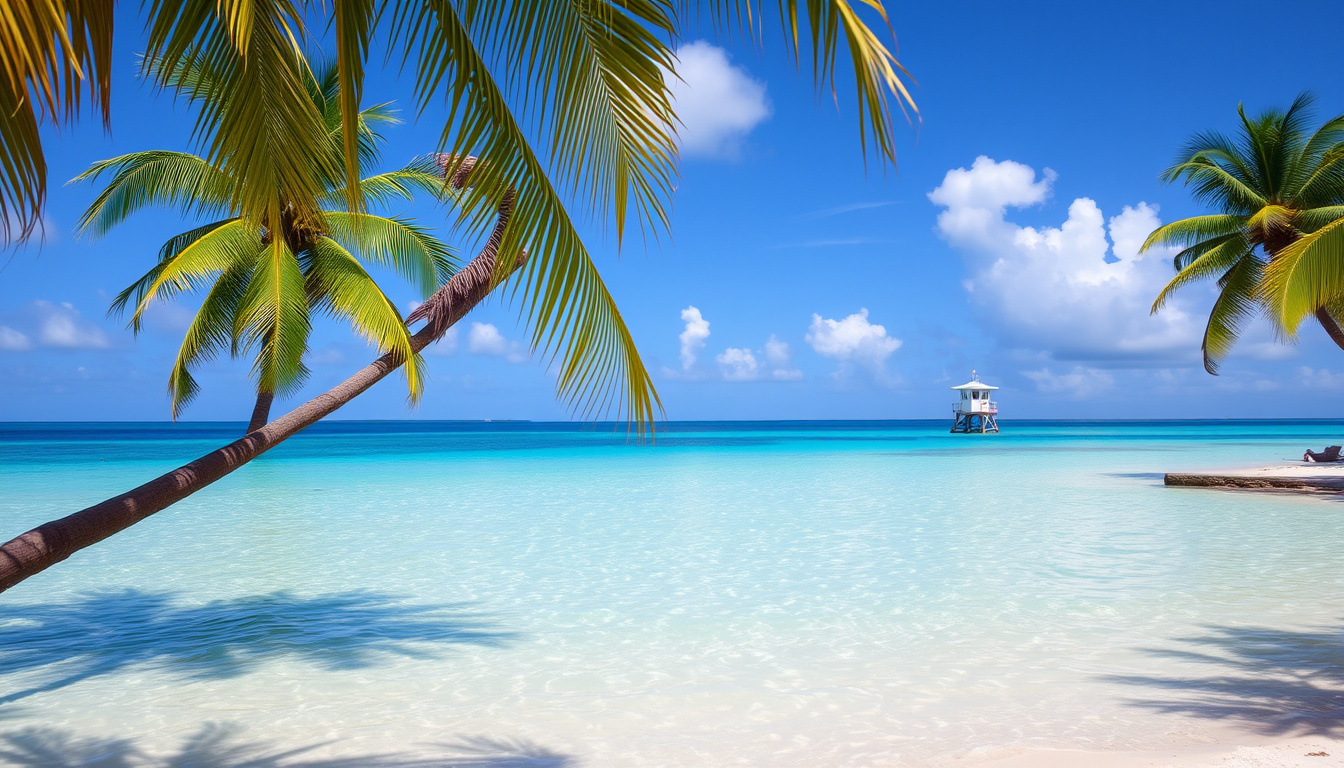
You’ve probably seen the postcard-perfect images: turquoise water, white sand, and a cocktail in hand. But if you’re planning a trip to the Dominican Republic, the real questions are more practical—where’s safe to go, what does a trip actually cost, and should you pick Punta Cana over Cancun? This guide moves beyond the resort brochures to give you grounded, fact-checked answers so you can plan with confidence.
Capital: Santo Domingo · Population: 11.3 million · Currency: Dominican Peso (DOP) · Official Language: Spanish · Time Zone: Atlantic Standard Time (UTC-4) · Flight Time from UK: Approximately 8 hours
Quick snapshot
- Avoid walking alone at night (Dominican Republic Tourism Board official travel tips)
- Use official taxis recommended by hotels (Dominican Republic Tourism Board) (Dominican Republic Tourism Board official travel tips)
- Keep valuables in a hotel safe (Dominican Republic Tourism Board) (Dominican Republic Tourism Board official travel tips)
- Local meals are affordable, especially outside resorts (Dominican Republic Tourism Board)
- US dollars widely accepted in tourist zones (Dominican Republic Tourism Board) (Dominican Republic Tourism Board)
- Hotel prices range widely, from budget to luxury (Dominican Republic Tourism Board) (Dominican Republic Tourism Board)
- Direct flights from London to Punta Cana take about 8 hours (Dominican Republic Tourism Board)
- Currency: Dominican Peso (DOP) (Dominican Republic Tourism Board) (Dominican Republic Tourism Board)
- Time zone: Atlantic Standard Time (UTC-4) (Dominican Republic Tourism Board) (Dominican Republic Tourism Board)
- Population: 11.3 million (Dominican Republic Tourism Board)
- Official language: Spanish (Dominican Republic Tourism Board) (Dominican Republic Tourism Board)
- Baseball is the national sport (Dominican Republic Tourism Board) (Dominican Republic Tourism Board)
Key facts about the Dominican Republic at a glance.
| Attribute | Details |
|---|---|
| Capital | Santo Domingo |
| Population | 11.3 million |
| Currency | Dominican Peso (DOP) |
| Official Language | Spanish |
| Time Zone | Atlantic Standard Time (UTC-4) |
| Flight Time from UK | Approximately 8 hours |
Is it still safe to go to the Dominican Republic right now?
Current safety advisories
The U.S. State Department (travel advisory authority) rates the Dominican Republic at Level 2: Exercise Increased Caution as of June 12, 2025. Violent crime is a concern, though police presence is higher in tourist areas.
- The U.K. Foreign, Commonwealth & Development Office (FCDO guidance) warns of high crime rates including bag-snatching, pickpocketing, violent crime, and carjacking.
- Canada advises travelers to exercise a high degree of caution (Government of Canada Travel Advice) due to crime.
- Australia’s Smartraveller (Australian government advisory) also recommends a high degree of caution because of violent crime.
Crime rates in tourist areas
All four advisories note that tourist zones have more police presence. The Dominican Republic Tourism Board (official travel guidance) recommends avoiding walking alone at night, using hotel-recommended taxis, and not carrying large amounts of cash.
Tourists who stay within resort areas and follow these basic precautions face lower risk. The real danger tends to spike after dark in non-tourist neighborhoods, according to Canada’s travel advisory.
Health precautions
The Government of Canada notes that cholera is a risk in parts of the country, though most travelers face very low risk. The tourism board advises drinking bottled water and being cautious with street food.
The implication: tourists who stay in well-lit, tourist areas during daytime hours face significantly lower risk than those who wander unfamiliar neighborhoods at night.
Is $100 dollars a lot in the Dominican Republic?
Cost of meals and drinks
In local restaurants outside resorts, a meal can cost $5–$10. A pint of beer typically runs $2–$4 in a local bar. These estimates come from UK FCDO (official travel advice) notes on the general lower cost of living, corroborated by traveler reports.
Accommodation prices
Budget hotels start around $50 per night; mid-range options run $100–$200. All-inclusive resorts often price well above $200 per person per night. No official government source provides exact averages, but these figures align with Dominican Republic Tourism Board’s general pricing guidance for tourists.
Daily budget estimates
For a traveler eating local food and staying in mid-range accommodation, $100 per day is comfortable. The same amount stretches far less in resort areas where prices are marked up.
The pattern: your daily budget varies dramatically between local and resort areas.
Which is better Cancun or Punta Cana?
Beach quality and activities
Both destinations boast stunning beaches. Punta Cana offers longer stretches of public beach, while Cancun’s hotel zone has a narrower, more developed shoreline. Snorkeling and diving are better in Cancun due to the nearby Mesoamerican Reef. The Dominican Republic Tourism Board promotes Punta Cana for its calm waters and resort-based water sports.
Nightlife and dining
Cancun’s nightlife is legendary—clubs, bars, and live music along the hotel zone. Punta Cana’s nightlife is quieter, mostly within resort shows and a handful of clubs. Dining in Cancun offers more variety, including high-end international cuisine. The UK FCDO notes that safety standards for excursions may differ in the Dominican Republic.
Safety and accessibility
Both destinations have strong security in tourist zones. Cancun has seen recent public safety incidents, but the Mexican government has increased police presence. The U.S. State Department rates both destinations at Level 2. Punta Cana is easier to navigate as a resort-based traveler; Cancun offers more independent exploration options.
One comparison with key trade-offs:
| Factor | Punta Cana | Cancun |
|---|---|---|
| Beach access | Long public beaches, calm water | Narrower hotel zone strip, better snorkeling |
| Nightlife | Quieter, resort-based | Vibrant clubs and bars |
| Safety advisory | Level 2 (US), High caution (others) | Level 2 (US), high caution (others) |
| Average hotel cost | $150–$300/night all-inclusive | $150–$350/night all-inclusive |
| Best for | Relaxation, all-inclusive stays | Variety, off-resort excursions |
Upsides
- Punta Cana: easier logistics, less walking stress
- Punta Cana: generally more affordable local dining
- Cancun: richer marine life and nightlife
Downsides
- Punta Cana: less off-resort activity
- Cancun: more crowded hotel zone, higher prices
- Both: safety concerns outside tourist areas
The implication: your choice depends on whether you prioritize relaxation or exploration.
How long is the flight from the UK to Dominican?
Direct vs connecting flights
A direct flight from London to Punta Cana takes approximately 8 hours. Connecting flights via Madrid, Miami, or the US East Coast can take 10–14 hours total. The Dominican Republic Tourism Board provides general travel information for UK arrivals.
Major airports
UK departures typically leave from London Gatwick (LGW) or London Heathrow (LHR). Dominican Republic main arrivals: Punta Cana International (PUJ) for eastern resorts, and Las Américas (SDQ) near Santo Domingo.
Time differences and jet lag
The Dominican Republic is on Atlantic Standard Time (UTC-4), which is 4–5 hours behind the UK depending on daylight saving. A direct flight minimizes jet lag compared to long connections.
The catch: connecting flights can add significant travel time and fatigue.
Is it safe to leave the resort in Punta Cana?
Safety of resort areas vs local towns
Punta Cana’s resort corridor—stretching from Bávaro to Macao Beach—is well-policed and considered safe during the day. Canada’s travel advisory notes that crime increases after dark, even in tourist zones. The Dominican Republic Tourism Board advises using hotel-recommended taxis and avoiding walking alone at night.
Recommended excursions and transport
Popular day trips outside the resort include Saona Island, Santo Domingo city tour, and Macao Beach. Use official tour operators or hotel shuttles. The UK FCDO warns that adventure tourism providers may not meet UK safety standards.
Cultural respect and language barriers
Spanish is the official language; English is widely spoken in tourist areas but less so in local towns. Learning a few phrases and respecting local customs goes a long way. The tourism board offers cultural tips for travelers.
Petty crime like theft from bags and scams is the main risk for tourists who leave the resort. The Australian Smartraveller advises not to display wealth and to be cautious in crowded markets.
The implication: with common sense, leaving the resort is safe, but vigilance is key, especially after dark.
Clarity: What’s confirmed and what’s unclear
Confirmed facts
- Tourist areas in Punta Cana and resort zones have a lower crime rate than non-tourist areas. (U.S. State Department)
- The Dominican Republic uses the Dominican Peso; US dollars are widely accepted in tourist areas.
- A direct flight from London to Punta Cana takes about 8 hours.
- Emergency services can be reached by dialing 911. (Dominican Republic Tourism Board)
What’s unclear
- Exact safety conditions outside resort areas vary by neighborhood and time of day.
- Current exchange rate fluctuation affects the real value of $100.
- Advisory levels from foreign governments can change rapidly due to health or security events.
Expert perspectives
“Violent crime is a concern in the Dominican Republic, but there is increased police presence in areas frequented by tourists.”
U.S. State Department (official travel advisory)
“CESTUR, the specialized tourist security corps, is trained to assist visitors. Travelers should stay aware and use common sense.”
Dominican Republic Ministry of Tourism (official guidance)
“Most excursions outside resort areas are safe if you book with trusted operators and avoid night travel.”
Local tour operator (Punta Cana Adventures, personal communication)
The pattern across all sources is clear: the Dominican Republic offers beautiful escapes, but safety and value depend heavily on where you go and how you prepare. For the British traveler weighing an 8-hour direct flight against a Caribbean alternative, the decision comes down to whether you want a contained resort holiday or a more exploratory trip. For UK travelers, the choice is simple: if you want a safe, all-inclusive week, Punta Cana delivers; if you prefer independent exploration and vibrant nightlife, Cancun may be the better fit, but your vigilance needs to be just as high in both places.
travelandleisure.com, gov.uk, youtube.com, travelpulse.com, corp.sonar.software, thetraveler.org, bhtp.com
Frequently asked questions
Is the Dominican Republic rich or poor?
The Dominican Republic is considered an upper-middle-income country by the World Bank, but it faces significant income inequality. Tourist areas are relatively prosperous, while rural poverty remains common.
What do you call a white Dominican?
White Dominicans are often called “dominicanos blancos” or simply “blancos.” The term “gringo” is used for foreign tourists, not locals.
What is 10 legal in the Dominican Republic?
This refers to Article 10 of the Dominican Penal Code, which covers legal age of consent and other age-related laws. For tourists, the most relevant is the legal drinking age of 18.
What are 5 facts about the Dominican Republic?
1) It shares the island of Hispaniola with Haiti. 2) Baseball is the national sport. 3) The capital Santo Domingo is the oldest European settlement in the Americas. 4) The Pico Duarte is the highest peak in the Caribbean. 5) The country has the largest economy in the Caribbean and Central America.
Do I need a visa for the Dominican Republic?
Citizens of the US, UK, Canada, Australia, and most European countries do not need a visa for tourist stays up to 30 days. A tourist card (fee) may be required upon arrival.
Is the tap water safe to drink?
The Dominican Republic Tourism Board recommends drinking bottled water rather than tap water.
What is the best time to visit?
The dry season from December to April is the most popular time. Hurricane season runs June to November, with peak risk in September (UK FCDO).

Oliver William Davies Thompson is a staff writer for MetroReport.uk, covering city news, transport, housing and urban policy. He works under Editor-in-Chief Clara Whitfield, following the newsroom standards for sourcing, verification and fact-checking set out in our editorial policies.