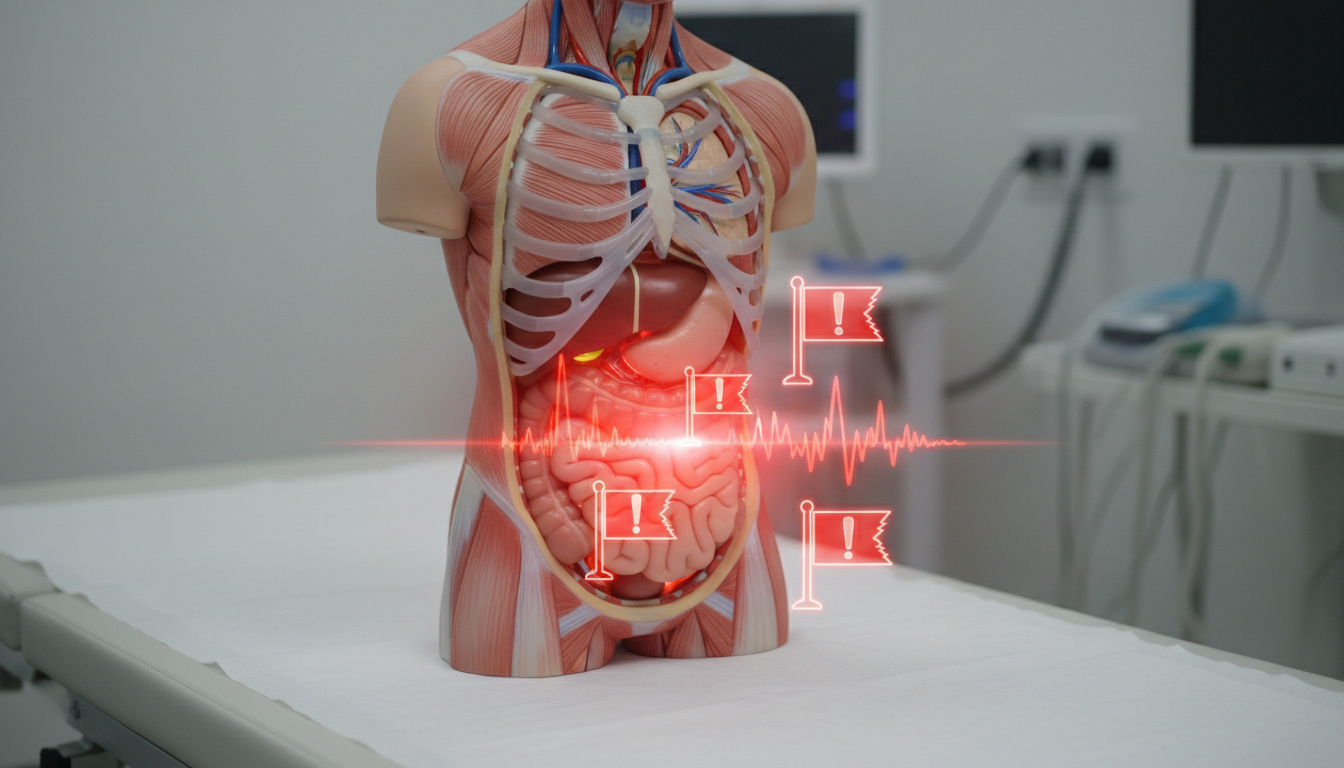
Pain localized to the left side of the stomach affects millions of adults annually, ranging from temporary digestive discomfort to serious conditions requiring immediate intervention. While gas and indigestion account for numerous benign cases, the left abdomen houses critical organs—including the descending colon, left kidney, spleen, and in women, the left ovary—where inflammation or obstruction can generate significant distress.
Understanding the specific location, quality, and duration of pain serves as the primary diagnostic tool for clinicians. Medical literature identifies diverticulitis as the predominant cause of lower left quadrant pain in adults over 50, while upper left discomfort may signal splenic or pancreatic involvement. Demographic factors including age, sex, and pregnancy status fundamentally alter the probability of specific diagnoses, necessitating tailored clinical evaluation.
What Causes Pain on the Left Side of the Stomach?
Diverticulitis leads causes in adults over 50, presenting with tenderness and fever.
Spleen or pancreas inflammation; less commonly diverticulitis in specific populations.
Gas, indigestion, IBS, and IBD produce variable cramping and bloating.
Ovarian cysts and pregnancy-related complications manifest in lower left region.
- Approximately 80% of diverticulitis cases resolve with rest and oral antibiotics according to clinical studies.
- 15-20% of diverticulitis cases develop complications including abscesses or perforation.
- Risk increases significantly after age 50, with men under 60 and women over 60 showing higher prevalence.
- CT scans with contrast serve as the gold standard diagnostic imaging for left lower quadrant pain.
- Sharp, stabbing pain typically indicates diverticulitis attacks, kidney stones, or ovarian cysts.
- Dull aching pain more commonly signals gas, IBS, or chronic diverticular disease.
- Pain frequently radiates toward the back or pelvis, complicating localization.
| Location | Primary Causes | Pain Character | Demographics |
|---|---|---|---|
| Lower Left | Diverticulitis, Kidney Stones | Sharp/Stabbing | Adults >50, Low-fiber diet |
| Upper Left | Spleen/Pancreas Issues | Dull/Aching | Trauma history, Alcohol use |
| Generalized | Gas, IBS, IBD | Cramping/Variable | All ages, Stress-related |
| Women Lower | Ovarian Cysts, Ectopic Pregnancy | Sudden/Sharp | Reproductive age |
| Flank Region | Kidney Stones, Infection | Radiating/Colicky | Dehydration history |
| Under Ribs | Spleen Enlargement, Gastritis | Dull/Pressure | Mononucleosis, Infection |
Lower vs Upper Left Abdominal Pain: Key Differences
Anatomical location provides the most reliable initial indicator for diagnosing left-sided abdominal pathology. The lower left quadrant contains the descending colon and sigmoid colon, making it the predominant site for diverticular disease and colorectal inflammation.
Lower Left Quadrant: The Diverticulitis Epicenter
Diverticulitis—inflammation of small pouches (diverticula) protruding from the colon wall—generates sudden, persistent pain typically accompanied by fever, nausea, and altered bowel habits. University Hospitals notes the condition occurs when these pouches tear or become inflamed, potentially progressing to abscess formation in 15-20% of cases.
Kidney stones also localize to the lower left flank and abdomen, producing colicky pain that radiates toward the groin. University of Utah Health emphasizes that diverticular pain may similarly radiate to the back or pelvis, creating diagnostic confusion requiring imaging differentiation.
Upper Left Quadrant: Spleen and Pancreas Considerations
Pain situated beneath the left rib cage often indicates splenic enlargement, trauma, or pancreatic inflammation. While diverticulitis predominantly affects the lower quadrants, Cleveland Clinic reports that patients of Asian descent may experience right-sided or upper left diverticular presentation due to anatomical variations.
Pancreatitis generates deep, gnawing upper abdominal pain frequently radiating straight through to the back, distinct from the cramping associated with colonic conditions.
When Is Left Side Stomach Pain Serious?
While the majority of left-sided abdominal complaints resolve without intervention, specific symptom constellations mandate urgent evaluation. The presence of high fever, persistent vomiting, or bloody stool distinguishes self-limiting conditions from surgical emergencies.
Complications Requiring Immediate Intervention
Complicated diverticulitis affects approximately 15-20% of patients, potentially developing into abscesses—pus pockets within the abdominal cavity—or peritonitis from intestinal perforation. Merck Manuals identifies obstruction and stricture formation as additional risks, wherein scar tissue narrows the intestinal lumen.
Seek emergency care immediately for severe pain lasting multiple days, fever exceeding 101°F, inability to pass stool or gas, or visible blood in stool. These symptoms may indicate perforation, peritonitis, or ischemic bowel requiring surgical intervention.
When to Schedule Clinical Evaluation
New or worsening left-sided pain, particularly in the lower quadrant, warrants prompt medical assessment even without emergency features. Specialists recommend evaluation when pain persists beyond 24-48 hours or interferes with normal eating and hydration.
Left Side Stomach Pain in Women: Common Causes
Female reproductive anatomy introduces distinct diagnostic considerations for left-sided abdominal pain. Ovarian cysts, ectopic pregnancy, and endometriosis can mimic or coexist with gastrointestinal conditions, necessitating pelvic examination and pregnancy testing as standard protocol.
Gynecological Sources of Lower Left Pain
WebMD confirms that ovarian cysts generate lower left quadrant discomfort, particularly when cysts rupture or undergo torsion. Ectopic pregnancy implantation in the left fallopian tube presents as unilateral pain requiring immediate exclusion through beta-hCG testing.
Women of reproductive age with left-sided pain require pregnancy testing to rule out ectopic implantation, which constitutes a medical emergency. Ultrasound imaging safely differentiates between gestational causes and diverticular inflammation without radiation exposure.
Hormonal fluctuations during the menstrual cycle can exacerbate existing gastrointestinal conditions like IBS, creating cyclical pain patterns that overlap with gynecological symptoms.
Specific Conditions Causing Left Abdominal Pain
Beyond diverticulitis, several distinct pathologies generate left-sided symptoms with characteristic presentations. Recognition of these specific markers facilitates appropriate triage and treatment selection.
Diverticulitis: Prevalence and Risk
Risk factors for diverticular disease include low-fiber dietary patterns, chronic constipation, obesity, smoking, and prolonged NSAID use. University Hospitals emphasizes that genetic predisposition interacts with lifestyle factors, with prevalence rising dramatically after age 50. Left side stomach pain can range from temporary digestive discomfort to serious conditions affecting organs like the descending colon, left kidney, spleen, and left ovary, and you can find more information at Hoe hoog mag je suiker zijn.
CT imaging with intravenous contrast represents the definitive diagnostic tool for suspected diverticulitis, accurately detecting inflammation extent and identifying complications like abscesses or perforations that would alter treatment pathways.
Kidney Stones and Urinary Tract Pathology
Nephrolithiasis produces severe colicky flank pain radiating toward the groin, often accompanied by hematuria and urinary urgency. Unlike the constant ache of diverticulitis, renal colic manifests in waves synchronized with ureteral peristalsis.
Inflammatory Bowel Disease and IBS
Chronic conditions including Crohn’s disease and ulcerative colitis generate intermittent left-sided pain accompanied by diarrhea, weight loss, and systemic inflammation. IBS, while benign, produces recurrent cramping related to bowel movements without structural damage.
How Left Abdominal Pain Progresses Over Time
Symptom chronology provides crucial diagnostic information, with temporal patterns distinguishing acute infectious processes from chronic functional disorders. Understanding typical timelines helps patients identify when observation transitions to urgent consultation.
- Hours 0-6: Initial onset of acute diverticulitis typically presents as mild cramping that localizes to the left lower quadrant, often following meals. Gas pain may fluctuate within this window.
- Hours 6-24: Pain intensifies and becomes constant with diverticulitis. Fever develops in infectious cases. Kidney stone pain peaks during this period with waves of colicky discomfort.
- Days 1-3: Uncomplicated diverticulitis stabilizes with rest and antibiotics. Worsening pain, rising fever, or increasing tenderness suggests complications requiring immediate medical evaluation.
- Days 3-7: Resolution phase for treated acute cases. Persistent symptoms beyond one week indicate complicated disease or alternative diagnoses.
- Weeks to Months: Chronic presentations suggest IBD, IBS, or recurring diverticular disease. Colonoscopy evaluation typically follows acute resolution to assess for malignancy or structural abnormalities.
What Doctors Know for Certain vs. What Remains Unclear
Medical certainty regarding left abdominal pain varies by condition, with robust evidence supporting some diagnostic pathways while others remain areas of active investigation.
| Established Facts | Uncertainties and Active Research |
|---|---|
| CT with contrast is the gold standard for diagnosing diverticulitis and detecting complications. | The precise triggers for diverticular inflammation episodes remain incompletely understood beyond general fiber deficiency theories. |
| 80% of diverticulitis cases resolve with conservative management (rest, oral antibiotics). | Optimal dietary fiber intake thresholds for prevention vary significantly between individuals and populations. |
| Lower left quadrant pain in adults over 50 is statistically most likely diverticulitis. | The relationship between NSAID use and diverticular perforation requires further longitudinal study. |
| Women require pregnancy exclusion and ovarian assessment for lower left pain. | Genetic markers predicting severe diverticular disease progression remain under investigation. |
Understanding the Anatomy Behind Left-Sided Pain
The left abdomen contains the descending colon, sigmoid colon, left kidney and ureter, spleen, pancreas tail, and in females, the left ovary and fallopian tube. This anatomical density creates multiple potential pain generators within a confined space.
The sigmoid colon, with its tortuous shape and high-pressure zones, represents the most common site for diverticula formation. Mayo Clinic explains that these pouches form when weak spots in the colon wall give way under pressure, typically where blood vessels penetrate the muscular layer.
Older adults managing multiple health conditions, including those seeking Pensioner Energy Saving Advice – Tips, Hacks and Grants for 2025, face compounded risks as age and medication interactions may mask typical symptom presentations.
What Medical Experts Say
Clinical guidelines emphasize symptom duration and quality as primary determinants for imaging and intervention. Expert consensus supports conservative management for uncomplicated presentations while maintaining low thresholds for CT evaluation in high-risk populations.
Uncomplicated diverticulitis, comprising roughly 80 percent of cases, typically responds to rest and oral antibiotics. However, complicated cases involving abscess formation or perforation require hospitalization and possible surgical intervention.
If you have severe pain in the lower left side of your belly, especially if you also have fever, nausea, or vomiting, you should call your doctor right away.
— WebMD Medical Review
What to Remember About Left Side Stomach Pain
Left-sided abdominal pain encompasses a spectrum from benign gas to surgical emergencies, with location, duration, and associated symptoms guiding appropriate response. While diverticulitis dominates lower left quadrant presentations in older adults, women require additional gynecological consideration, and upper left pain demands evaluation of splenic and pancreatic sources. Most cases resolve with conservative management, but red flags including fever, vomiting, and bloody stool necessitate immediate emergency care. For those navigating health concerns alongside other lifestyle matters, resources like Steam Gift Card UK – Where to Buy, Redeem and Avoid Scams remain available, though medical symptoms always warrant professional evaluation first.
Common Questions About Left Side Stomach Pain
Can gas alone cause sharp pain on the left side?
Yes, gas accumulation can generate sharp, stabbing pains that mimic more serious conditions, though these typically resolve quickly with movement or flatulence and lack accompanying fever or persistent tenderness.
Why does pain sometimes radiate to the back?
Diverticulitis and kidney stones both frequently refer pain to the back due to shared nerve pathways and anatomical proximity to posterior structures like the psoas muscle and retroperitoneal space.
Is left side pain always diverticulitis in older adults?
While diverticulitis is the most common cause of lower left pain in adults over 50, other possibilities include kidney stones, IBD, ischemic colitis, and in women, gynecological conditions requiring differential diagnosis.
How long should I wait before seeing a doctor?
Seek immediate care for severe pain, fever, or bloody stool. For mild pain without red flags, schedule evaluation if symptoms persist beyond 24-48 hours or interfere with eating and hydration.
Can stress cause left-sided stomach pain?
Stress exacerbates IBS and functional dyspepsia, producing left-sided cramping and bloating, though it does not cause structural inflammation like diverticulitis.
What foods should be avoided during a flare-up?
During acute diverticulitis episodes, physicians typically recommend temporary low-fiber or clear liquid diets to reduce bowel activity, gradually reintroducing fiber as inflammation subsides.
Are antibiotics always necessary for treatment?
Recent guidelines suggest uncomplicated cases may resolve without antibiotics, though many physicians still prescribe them based on severity. Complicated cases always require antibiotic therapy.

Oliver William Davies Thompson is a staff writer for MetroReport.uk, covering city news, transport, housing and urban policy. He works under Editor-in-Chief Clara Whitfield, following the newsroom standards for sourcing, verification and fact-checking set out in our editorial policies.