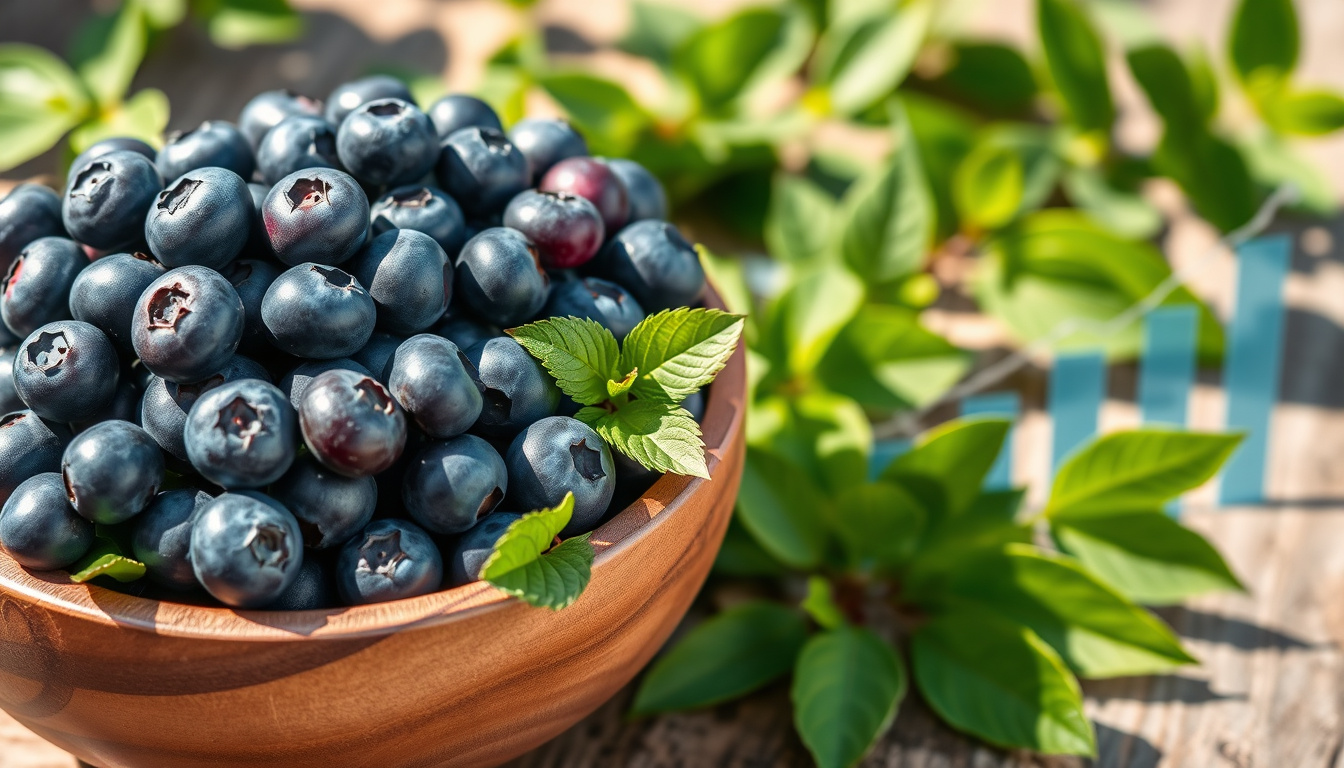
Blueberries rank among the most popular berries worldwide, prized for their distinct flavour and vibrant colour. Research published through the National Institutes of Health confirms these small fruits deliver a remarkable combination of nutrients, including antioxidants, fibre, and essential vitamins. For anyone monitoring their diet, understanding exactly what blueberries offer makes it easier to decide whether they belong in your daily meals.
Studies from institutions including the Mayo Clinic Health System and peer-reviewed journals consistently highlight blueberries as a nutrient-dense food. Their benefits extend across heart health, brain function, and digestive wellness, making them a versatile addition to most eating patterns. This article breaks down the nutrition science, health effects, and practical considerations so you can make an informed choice.
Are Blueberries Good for You?
The short answer is yes—blueberries are good for you. They provide substantial nutritional value with relatively few calories, making them a smart choice for anyone seeking to boost their intake of vitamins, minerals, and protective plant compounds. A growing body of evidence, including reviews published in PubMed Central, supports their role in promoting long-term health across multiple systems in the body.
Quick Nutrition Snapshot
One cup of fresh blueberries contains approximately 80 calories while delivering fibre, vitamin C, and vitamin K.
Blueberries rank among the highest common fruits for antioxidant capacity, thanks to compounds called anthocyanins.
Each serving provides around 4 grams of fibre, supporting gut regularity and feelings of fullness.
Vitamin C contributes to immune function, while vitamin K plays a role in blood clotting and bone maintenance.
Key Insights About Blueberries
- Anthocyanins, the pigments responsible for the blue colour, neutralise free radicals and may reduce DNA damage linked to aging and chronic disease.
- Regular blueberry consumption correlates with lower cardiovascular disease risk, according to a 2024 PMC review citing 39 studies.
- Wild blueberries typically contain higher anthocyanin levels than cultivated highbush varieties, as documented by University of Maine research.
- A single cup delivers roughly 25% of the daily recommended vitamin C intake for adults.
- Clinical trials show that wild blueberry powder can increase serum antioxidant levels by 8.5% within one hour of consumption.
- The fibre content promotes satiety, which may support weight management efforts when combined with a balanced diet.
- Blueberries demonstrate anti-inflammatory properties that may help reduce type 2 diabetes risk through polyphenol mechanisms.
Nutrition Facts Per Cup (148g Fresh Blueberries)
| Nutrient | Amount per Cup | % Daily Value |
|---|---|---|
| Calories | 80–85 | 4% |
| Vitamin C | 14.4 mg | 16–24% |
| Vitamin K | 28.6 µg | Excellent source |
| Manganese | 0.5 mg | Excellent source |
| Fibre | 3.6–4 g | 14–16% |
| Vitamin B6 | 0.1 mg | 6–8% |
| Vitamin E | 0.8 mg | 5% |
| Anthocyanins | 163.3 mg per 100g | High |
| Polyphenols | 200–400 mg per ½ cup (wild) | High |
These figures come from the USDA FoodData Central database and align with values reported by the Harvard T.H. Chan School of Public Health. Both cultivated and wild varieties provide impressive nutrient density, though wild blueberries generally offer concentrated antioxidant levels.
Are Blueberries Good for Your Heart, Eyes, and Gut?
Research demonstrates that blueberries exert beneficial effects across several organ systems. The combination of anthocyanins, fibre, and micronutrients supports cardiovascular, visual, and digestive health in complementary ways.
Heart Health and Circulation
Anthocyanins in blueberries help lower cholesterol oxidation and reduce blood pressure, which together lower coronary heart disease risk. Vitamin K contributes to proper blood clotting and supports artery health. A 2024 systematic review published through PMC examined 39 studies and concluded that regular anthocyanin intake provides measurable protection against cardiovascular disease. Those interested in blood lipid markers can learn more about normal ranges in our guide to serum LDL cholesterol levels.
Eye Health and Vision Support
Blueberries contain antioxidants that interact with ocular tissues, and they are frequently paired with lutein in supplements designed for vision support. While direct evidence in humans remains limited, the antioxidant capacity suggests a protective role against age-related oxidative damage to the eyes.
Most eye health evidence comes from test-tube studies and animal models. Human clinical trials specifically examining blueberries and vision remain sparse, though observational data points to potential benefits from overall antioxidant intake.
Gut Health and Digestion
The fibre content in blueberries promotes regularity and supports a healthy digestive tract. Beyond mechanical bulk, anthocyanins interact directly with gut microbiota, influencing the composition and activity of bacterial populations. Research indicates these interactions may mediate some of the broader systemic benefits attributed to blueberry consumption, including inflammation reduction and metabolic health improvement.
Are Blueberries Good for You to Lose Weight?
Blueberries can support weight management when incorporated as part of a calorie-controlled diet. Their low energy density means you can enjoy a satisfying portion without excessive caloric intake, while the fibre content helps curb appetite between meals.
How Blueberries Fit Into a Weight-Loss Plan
- One cup provides only 80 calories, making it easy to fit within a daily calorie budget.
- The fibre creates a feeling of fullness, potentially reducing the urge to snack on higher-calorie foods.
- Natural sugars in blueberries are accompanied by fibre, which slows absorption and prevents blood sugar spikes.
- The low glycemic load means blueberries have minimal impact on blood glucose when eaten in standard portions.
- Frozen or fresh blueberries work equally well in smoothies, yogurt, or as a standalone snack.
For those calculating daily energy needs, our article on how many calories you burn daily explains BMR and TDEE concepts that can help you determine appropriate serving sizes.
Pairing blueberries with a protein source such as Greek yogurt or nuts enhances satiety and creates a balanced snack that supports sustained energy levels throughout the afternoon.
What Happens If You Eat Blueberries Every Day?
Consuming blueberries daily, in the range of half a cup to one cup, aligns with recommendations from nutritional authorities and appears safe for most adults. This habitual intake delivers cumulative benefits over weeks and months, particularly for antioxidant defences and cardiovascular markers.
Documented Effects of Daily Consumption
Epidemiological studies link regular blueberry intake to lower rates of cardiovascular disease, type 2 diabetes, and cognitive decline. A serving a day provides sufficient vitamin C to support immune function and adequate fibre to maintain digestive regularity. For those with elevated cardiovascular risk, daily anthocyanin intake from blueberries may contribute to healthier blood pressure and lipid profiles over time.
How Long Until You Notice Benefits?
Human trials show measurable increases in serum antioxidant levels within one hour of consuming wild blueberry powder. More substantial markers—such as reductions in inflammation or improvements in endothelial function—typically emerge after several weeks of consistent intake. The timeline varies based on individual baseline health, diet quality, and overall lifestyle factors.
Timeline of Key Research Developments
- Pre-2020: Early antioxidant studies establish blueberries as a high-ORAC food with free radical scavenging properties.
- 2022: Mayo Clinic Health System publishes nutrition profile emphasising the power of blueberries in a balanced diet.
- 2023: Healthline consolidates seven primary health benefits supported by clinical evidence and expert reviews.
- 2024: PMC publishes comprehensive review linking anthocyanin intake to reduced CVD and diabetes risk, citing 39 studies.
Ongoing research continues to explore how habitual blueberry consumption affects pre-diabetes, cardiovascular health, and cognition in at-risk populations.
Blueberries Benefits and Side Effects
While blueberries offer considerable health benefits, balanced reporting requires acknowledging potential risks and individual considerations. Most people tolerate blueberry consumption well, but certain groups should exercise awareness.
Established Benefits
- Cardiovascular protection through anthocyanin-mediated reduction of cholesterol oxidation and blood pressure.
- Anti-inflammatory effects that may lower chronic disease risk.
- Improved cognitive performance and delayed age-related mental decline.
- Support for gut microbiota diversity and digestive regularity.
- Potential reduction in muscle damage following strenuous exercise.
- Skin health benefits attributed to antioxidant protection against environmental stressors.
Potential Risks and Side Effects
- Kidney stone risk: Blueberries contain oxalates, which may contribute to calcium oxalate stone formation in susceptible individuals.
- Allergic reactions: Though rare, some people experience berry or pollen cross-reactivity, with symptoms including itching or swelling.
- Pesticide residue: Washing blueberries thoroughly before consumption reduces exposure to surface chemicals.
- Medication interactions: The vitamin K content may affect blood-thinning medications; consult a healthcare provider if you take anticoagulants.
If you have a history of kidney stones, oral allergy syndrome, or are taking blood-thinning medication, speak with your doctor before significantly increasing blueberry intake.
Certainty and Uncertainty in the Evidence
| Well-Supported by Evidence | Areas Requiring More Research |
|---|---|
| Antioxidant capacity and free radical neutralisation | Long-term human trials (beyond 12 months) |
| Heart health benefits, including blood pressure and cholesterol effects | Specific mechanisms in eye health |
| Anti-inflammatory properties via polyphenols | Female-specific or demographic-focused studies |
| Gut microbiota interactions | Direct cancer protection in humans |
| Cognitive benefits in older adults | Optimal serving sizes for different health outcomes |
Why Blueberries Stand Out Among Fruits
Blueberries consistently rank at the top of antioxidant capacity comparisons. Studies conducted in China found blueberries surpassed strawberries and blackberries in total antioxidant activity. The ORAC (Oxygen Radical Absorbance Capacity) values for blueberries exceed those of most commonly consumed fruits and vegetables, placing them among the most potent dietary sources of protective compounds.
In the United Kingdom, commercially available blueberries provide comparable nutritional profiles to those studied in North American research. Whether fresh, frozen, or incorporated into prepared foods, the bioactive compounds remain stable during processing and storage. This accessibility makes blueberries a practical choice for people seeking to increase their antioxidant intake regardless of where they live.
What Experts and Studies Say
“Blueberries are an excellent source of fibre, vitamin C, and powerful antioxidants that protect cells from damage.”
— St. Vincent’s Health System, registered dietitian perspective
“Anthocyanins may protect against cardiovascular disease through their effects on the gut microbiota.”
— PMC Systematic Review, 2024
The European Food Safety Authority has evaluated health claims related to polyphenols and cardiovascular outcomes, noting promise but calling for additional human intervention studies to establish definitive causal relationships. Meanwhile, the Harvard T.H. Chan School of Public Health includes blueberries among its recommended foods for their nutrient density and scientific backing.
Summary
Blueberries are good for you. Their combination of low calories, high fibre, essential vitamins, and concentrated antioxidants makes them a valuable addition to most eating patterns. Research supports benefits for heart health, brain function, and digestive wellness, with minimal risks for the general population when consumed in standard serving sizes of half a cup to one cup daily. As with any dietary change, individual circumstances—including medical conditions and medications—should guide how you incorporate blueberries into your routine. For those seeking practical ways to track their daily nutrition, our guide to how many calories you burn daily provides additional context for balancing intake with energy needs.
Frequently Asked Questions
Are blueberries good for you in the United Kingdom?
Yes. UK supermarkets stock blueberries with nutritional profiles comparable to those studied internationally. The health benefits—antioxidants, fibre, vitamins—apply regardless of geographic location.
Do blueberries offer specific benefits for women?
Research does not indicate gender-specific mechanisms, but the anti-inflammatory and cardiovascular benefits apply equally. Some women report reduced bloating when berries replace higher-FODMAP fruits.
Is acai the same as blueberry?
No. Açaí and blueberries belong to different botanical families. Açaí has higher fat content and a distinct fatty acid profile, while blueberries provide more fibre and vitamin C. Both offer antioxidants but differ in overall nutrition.
How many blueberries should you eat per day?
Half a cup to one cup (75–150g) daily is the range most commonly recommended. This amount provides meaningful nutrients without excessive sugar or calories.
Can blueberries cause allergic reactions?
Allergies to blueberries are rare but possible, particularly in people with existing oral allergy syndrome related to pollen. Symptoms may include itching or swelling of the mouth and throat.
Are frozen blueberries as healthy as fresh ones?
Yes. Freezing preserves the antioxidant compounds, including anthocyanins. Frozen blueberries work well in smoothies and retain most nutritional value compared to fresh.
Do blueberries interact with blood-thinning medication?
Blueberries contain vitamin K, which plays a role in blood clotting. If you take warfarin or similar anticoagulants, maintain consistent vitamin K intake and discuss significant dietary changes with your doctor.

Oliver William Davies Thompson is a staff writer for MetroReport.uk, covering city news, transport, housing and urban policy. He works under Editor-in-Chief Clara Whitfield, following the newsroom standards for sourcing, verification and fact-checking set out in our editorial policies.