
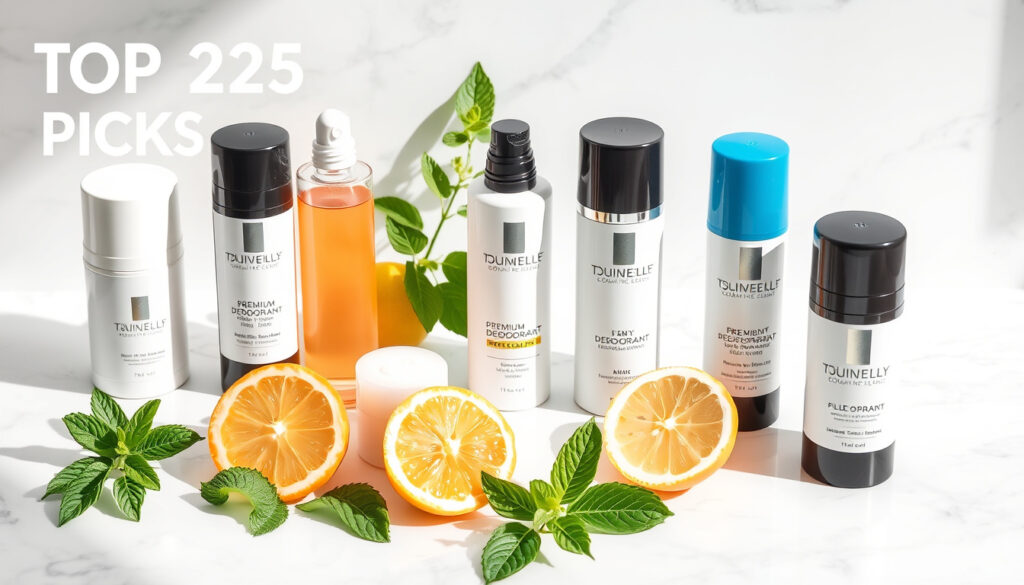
What Are the Best Overall Deodorants for Women?
Finding the right deodorant means balancing odor protection, skin compatibility, and everyday usability. Top performers in 2025 stand out for their ability to address multiple concerns without causing irritation or leaving residue. The following selections represent the most versatile options currently available, each excelling in specific categories while maintaining high standards across the board.
Women’s Health magazine conducted extensive real-world testing, evaluating products through all-day wear, workouts, and city walks in diverse conditions. The results highlighted several formulations that consistently delivered freshness without the common pitfalls of traditional antiperspirants.
AKT London The Deodorant Balm earned the top spot for its comprehensive performance, combining zinc oxide, arrowroot, and diatomaceous earth to eliminate odor while absorbing moisture. The addition of vitamin E, shea butter, and calendula provides skin nourishment alongside effective protection.
Quick-Reference Overview
| Category | Product | Key Benefit | Format |
|---|---|---|---|
| Best Overall | AKT London The Deodorant Balm | All-day odor and moisture control | Balm |
| Best Natural | Lume Whole Body Deodorant Stick | pH-balancing formula | Stick |
| Best for Workouts | Doc & Glo 24/7 Hustle Deodorizing Body Mist | Enzyme-based odor neutralization | Spray |
| Best Sensitive Skin | Native Whole Body Deodorant Spray | Hydrating, irritation-free | Spray |
Key Insights from Testing
- Natural formulas using best natural, aluminum-free deodorants for women proved equally effective as traditional options for odor control
- Transitioning to aluminum-free products may initially result in more moisture but does not increase odor
- Whole-body formulations allow for application beyond underarms, including areas prone to odor
- Clean ingredients like zinc oxide and mandelic acid address odor through bacterial neutralization rather than pore blockage
- Vegan and cruelty-free certifications matter to consumers, with many brands emphasizing ethical sourcing
- Sensitive skin users reported fewer reactions with plant-based blends free from parabens and sulfates
- Format choice—spray versus stick—significantly impacts user experience and portability
What to Look For: Decision Factors
| Factor | Recommendation | Reason |
|---|---|---|
| Primary Concern | Odor control | Modern deodorants neutralize bacteria effectively without aluminum |
| Skin Type | Free-from formulas | Avoids parabens, sulfates, and harsh fragrances |
| Activity Level | Enzyme-based sprays | Superior performance during intense exercise |
| Application Area | Whole-body sticks | Multi-use convenience for underarms and beyond |
| Environmental Impact | Minimal plastic packaging | Reduces waste while maintaining efficacy |
| Pregnancy Safety | Baking soda-free options | Mandelic acid and tapioca starch alternatives |
What Are the Top Natural Deodorants for Women?
The shift toward natural deodorants reflects broader interest in clean beauty products that avoid potentially irritating ingredients. Aluminum-free formulations have gained significant traction, with manufacturers developing increasingly sophisticated methods to address body odor without blocking sweat glands. These products work by neutralizing odor-causing bacteria rather than sealing pores, which many dermatologists consider a healthier approach for daily use.
Understanding Natural Formulations
Natural deodorants typically rely on ingredients like arrowroot and diatomaceous earth to absorb moisture, while zinc oxide provides antibacterial properties. Tapioca starch offers similar moisture-wicking benefits without the white residue common to traditional powders. Mandelic acid, derived from almonds, helps balance skin pH to create an environment less hospitable to odor-causing bacteria.
Plant-based botanicals including chamomile, ashwagandha, and various fruit extracts provide soothing properties that reduce potential irritation. Coconut oil and shea butter appear frequently for their moisturizing effects, though formulations must balance these emollients carefully to avoid staining clothes or reducing effectiveness.
Sodium bicarbonate features prominently in many natural deodorants for its odor-neutralizing properties. However, baking soda can cause irritation for those with sensitive skin, prompting manufacturers to develop alternatives like mandelic acid that achieve similar results without the reactive potential.
Standout Natural Options
Lume Whole Body Deodorant Stick exemplifies the natural approach, utilizing tapioca starch and mandelic acid to acidify skin pH. This combination inhibits odor bacteria while allowing normal perspiration. Users appreciate the smooth application that leaves no white marks or clothing stains, even after overnight wear. The formula has been recognized as safe for pregnancy, addressing a common concern among consumers seeking natural alternatives.
Dove Whole Body Deodorant offers an accessible entry point for those transitioning from conventional products. As a budget-friendly option, it delivers reliable performance without requiring a significant investment, making it suitable for users wanting to test the natural category before committing to premium formulations.
SheaMoisture Whole Body Deo Cream provides a cream format for those preferring topical application over sprays or sticks. The rich shea butter base delivers intensive moisturizing alongside odor protection, though users should allow brief drying time to prevent transfer to clothing.
Best Deodorants for Women with Sensitive Skin
Sensitive skin requires careful product selection, as common deodorant ingredients can trigger reactions ranging from mild irritation to severe rashes. The most suitable options for this skin type share several characteristics: absence of known irritants, inclusion of soothing compounds, and formulations tested for dermatological compatibility. whole body deodorants for sensitive skin and heavy sweating address multiple concerns simultaneously, providing relief without sacrificing efficacy.
Identifying Problem Ingredients
Aluminum compounds, while effective at reducing wetness, can cause stinging and discoloration for sensitive users. Parabens and synthetic fragrances present additional concerns, with some individuals experiencing allergic responses even to low concentrations. Sulfates, commonly used for their cleansing properties, may strip natural skin barriers and increase susceptibility to irritation.
Baking soda warrants particular attention—its alkaline nature can disrupt the skin’s natural acid mantle, leading to redness and discomfort for many users. Manufacturers have responded by developing baking soda-free alternatives that maintain odor control through different mechanisms.
Recommended Sensitive Skin Options
Native Whole Body Deodorant Spray prioritizes gentleness without compromising performance. Free from aluminum, parabens, and sulfates, it incorporates shea butter and coconut oil for hydration. Users report the formula keeps them mostly dry during everyday activities and produces no transfer to clothing. The spray format allows quick, even application across sensitive areas.
AKT London The Deodorant Balm proves equally suitable for reactive skin types. Testing showed no irritation even during extended wear, with the vitamin E and calendula content providing additional skin benefits. The balm absorbs quickly and leaves no residue, addressing common concerns about product accumulation irritating sensitive underarm skin.
Dr. Joshua Zeichner notes that aluminum-free deodorants work differently than antiperspirants, allowing normal sweating while controlling odor. This distinction matters for sensitive skin, as the blocking mechanism in traditional products often contributes to irritation. Switching may require an adjustment period with increased moisture, but odor levels typically remain stable.
Which Deodorants Offer the Longest Protection for Women?
Duration of effectiveness varies significantly across deodorant types and individual physiologies. Claims of 24, 48, or even 72-hour protection appear frequently in marketing materials, yet real-world performance often differs from controlled conditions. Understanding what drives longevity helps consumers set realistic expectations and select products accordingly.
Factors Affecting Duration
Body chemistry, activity level, and environmental conditions all influence how long a deodorant remains effective. Natural formulas typically provide 12-24 hours of reliable odor control, with reapplication recommended after intense sweating or prolonged water exposure. The active ingredients—zinc compounds, enzymes, and pH modifiers—work continuously but can be overwhelmed by excessive perspiration.
Application technique matters considerably. Clean, dry skin allows better product adherence compared to application on moist surfaces or over residual product from previous uses. Building a thin, even layer rather than applying excessive amounts optimizes both coverage and longevity.
Extended Protection Options
Doc & Glo 24/7 Hustle Deodorizing Body Mist demonstrated exceptional longevity during testing, maintaining freshness from early morning through late evening—spanning approximately 18 hours of active wear. The Deoplex Complex utilizes enzymes to neutralize odor-causing bacteria rather than simply masking smells, providing sustained protection through natural biological processes. Botanicals including goji berry and dragon fruit extracts offer soothing properties alongside the core efficacy.
AKT London The Deodorant Balm similarly impressed with all-day performance, remaining effective through heavy sweating scenarios including workouts and extended city walking. The moisture-absorbing properties of arrowroot and diatomaceous earth work continuously, preventing the buildup that can reduce effectiveness over time.
Spray deodorants like Doc & Glo and Native offer instant application across large areas, making touch-ups convenient for active users. Stick and balm formats provide more targeted application with potentially longer adherence to skin. The choice between formats often comes down to personal preference and specific use cases rather than inherent efficacy differences.
Best Clinical Strength Deodorants for Heavy Sweaters
Heavy sweating, clinically known as hyperhidrosis, affects millions of women and requires more robust solutions than standard products provide. Clinical strength formulations address this condition through intensified active ingredients while remaining accessible without prescriptions. These products bridge the gap between everyday deodorants and prescription treatments, offering meaningful relief for those struggling with excessive perspiration.
Understanding Hyperhidrosis Management
Hyperhidrosis involves overactive sweat glands that produce significantly more moisture than the body requires for temperature regulation. While not dangerous, this condition impacts daily life, social interactions, and professional confidence. Managing it requires products designed for high output rather than average perspiration levels.
Modern approaches to hyperhidrosis emphasize bacterial neutralization rather than complete sweat blockage. This strategy reduces odor and the social concerns associated with heavy sweating while allowing the body’s natural cooling mechanisms to function. Dermatologists generally consider this approach healthier than aggressive antiperspirant use that completely seals sweat glands.
Top Clinical Strength Options
Doc & Glo 24/7 Hustle Deodorizing Body Mist specifically targets heavy sweaters through its enzyme-based Deoplex Complex. Testing showed reliable performance from morning through evening without reapplication, even during intense workout sessions. The botanical blend provides soothing benefits that counter potential irritation from continuous heavy use.
Lume Whole Body Deodorant Stick addresses heavy sweating through its pH-balancing mechanism. By creating an acidic environment on the skin, the formula inhibits odor bacteria that thrive in neutral conditions. While not blocking sweat production, this approach significantly reduces the associated social concerns and allows users to feel confident despite continued perspiration.
AKT London The Deodorant Balm absorbs excess moisture through its combination of zinc oxide, arrowroot, and diatomaceous earth. For heavy sweaters, this moisture-wicking action provides immediate relief while the antibacterial properties ensure odor remains controlled throughout demanding days.
The Evolution of Women’s Deodorants: A Timeline
Understanding the historical development of deodorant products provides context for current options and emerging trends. The following milestones represent significant developments in the industry, each responding to changing consumer priorities and scientific understanding.
- 1880s – First commercial deodorant products introduced, targeting odor elimination rather than sweat reduction
- 1910s – Aluminum compounds added to formulations, providing the first effective wetness control
- 1950s – Mass-market roll-on and stick formats make deodorants widely accessible
- 1970s – Concern over aluminum safety prompts early research into alternatives
- 2000s – Natural and organic deodorant category emerges with increased consumer interest
- 2010s – Aluminum-free formulations gain mainstream acceptance and improve significantly
- 2020s – Whole-body deodorants expand the category beyond underarm-only application
- 2024-2025 – Clean beauty standards drive innovation in enzyme-based and botanical formulas
The current market reflects decades of refinement, combining traditional efficacy standards with contemporary preferences for clean ingredients and ethical production. Current FDA regulations ensure safety while allowing manufacturers considerable freedom in formulation development.
What Claims Can Be Trusted? Understanding the Evidence
Deodorant marketing frequently includes impressive-sounding claims about protection duration, ingredient purity, and performance benefits. Evaluating these claims requires understanding the evidence behind them and recognizing where uncertainty exists.
| Claim | Evidence Level | Notes |
|---|---|---|
| 24-48 hour protection | Medium | Lab tests support these claims; real-world performance varies by individual and conditions |
| Natural ingredients | High | Verified through ingredient lists; “natural” lacks formal definition but products typically avoid synthetics |
| No aluminum | High | Clear from ingredient labeling; easy to verify independently |
| Sensitive skin safe | Medium | Formulations avoid common irritants; individual reactions still possible |
| Sweat-proof | Low | No deodorant truly prevents sweating; products manage odor and moisture differently |
| Whole-body safe | Medium | Depends on specific formulation; not all products tested for all body areas |
The distinction between blocking odor and eliminating odor-causing bacteria represents a fundamental difference in how deodorants work. Claims about natural effectiveness should be evaluated against this backdrop, recognizing that aluminum-free products address the symptom (smell) rather than the cause (sweat). The American Academy of Dermatology provides guidance on realistic expectations for over-the-counter products.
Market Context: Choosing the Right Deodorant
The women’s deodorant market has expanded considerably beyond traditional antiperspirants, offering consumers unprecedented choice in formats, ingredients, and price points. This expansion reflects both increased awareness of ingredient concerns and greater understanding of individual skin needs. Selecting the right product involves considering multiple factors beyond basic effectiveness.
Skin type should drive initial product selection. Those with sensitive skin benefit from fragrance-free, baking soda-free formulations that minimize reaction risk. Heavy sweaters may prefer clinical strength options designed for higher output, accepting that aluminum-free alternatives address odor rather than wetness. Active individuals might prioritize spray formats for quick application and touch-ups throughout the day.
Format preferences often depend on lifestyle factors. Gym-goers appreciate portable spray options that fit easily in workout bags. Those seeking residue-free wear may prefer the smooth application of balm formulas. Stick products offer precision application for targeted coverage. Consumer testing organizations continue to evaluate products across these dimensions, providing additional guidance for uncertain shoppers.
Expert Perspectives and Source Quality
Evaluating deodorant recommendations requires attention to source credibility and testing methodology. Publications with demonstrated expertise in personal care testing provide more reliable guidance than sources without established testing protocols.
Women’s Health magazine conducted hands-on testing with real users across diverse scenarios, including all-day office wear, workout sessions, and extended outdoor activity. Their methodology emphasized real-world performance over laboratory conditions, providing practical insights for everyday consumers.
— Women’s Health Magazine, 2025 Deodorant Testing
Dermatologist commentary adds clinical perspective to consumer testing. Medical professionals observe long-term effects and can speak to ingredient safety with authority that purely product-focused sources cannot match.
— Dr. Joshua Zeichner, MD, quoted in Women’s Health
Independent testing organizations like Healthline provide additional perspective through medical review processes, while WebMD offers consumer health context for understanding ingredient concerns. Cross-referencing multiple credible sources helps ensure recommendations reflect consensus rather than isolated opinions.
Summary and Recommendations
The best deodorant for any woman depends on individual skin chemistry, lifestyle demands, and personal priorities. For those seeking comprehensive performance across multiple concerns, AKT London The Deodorant Balm delivers effective odor elimination and moisture absorption with skin-nourishing ingredients. Users prioritizing natural formulations appreciate Lume Whole Body Deodorant Stick for its pH-balancing approach and smooth application. Heavy sweaters and gym enthusiasts find reliable extended protection with Doc & Glo 24/7 Hustle Deodorizing Body Mist. Sensitive skin types benefit most from Native Whole Body Deodorant Spray’s hydration-focused, irritation-free formula.
Trying multiple options during a transition period helps identify which formulation works best for individual needs. Starting with travel-sized versions allows testing without significant investment. Paying attention to how skin responds during the first two weeks of use provides the clearest picture of long-term compatibility.
Frequently Asked Questions
What deodorant do dermatologists recommend for women?
Dermatologists generally recommend aluminum-free deodorants for daily use, particularly for those with sensitive skin. Products containing zinc oxide, mandelic acid, or enzyme complexes receive positive mention for their effectiveness without the irritation potential of traditional antiperspirants. Consulting a dermatologist for persistent sweating concerns may reveal additional treatment options beyond over-the-counter products.
What deodorant smells best on women?
Scent preference is highly individual, but testers consistently praised the fresh, non-overpowering scents in products like Doc & Glo and AKT London. Unscented options work well for those sensitive to fragrances or who prefer to layer with other scented products. Plant-based blends including chamomile, goji berry, and dragon fruit provide subtle, natural fragrance.
What is the best deodorant for women who sweat a lot?
Women with heavy sweating benefit most from clinical strength formulations like Doc & Glo 24/7 Hustle or AKT London The Deodorant Balm. These products address odor through bacterial neutralization while absorbing excess moisture. While they may not completely eliminate wetness like aluminum antiperspirants, they provide meaningful odor control that addresses the primary social concern.
Are aluminum-free deodorants as effective as regular ones?
Aluminum-free deodorants work differently than antiperspirants—they control odor without blocking sweat glands. Effectiveness for odor control is comparable, though aluminum-free options may allow more wetness. For those prioritizing natural ingredients or experiencing antiperspirant irritation, aluminum-free products represent a viable alternative that many users find equally effective.
How do I switch to a natural deodorant?
Transitioning involves applying the new product to clean, dry skin while allowing an adjustment period of one to two weeks. Initial increased wetness is normal and indicates the sweat glands are functioning normally without blockage. Continuing through this adjustment phase typically results in stabilized odor control comparable to or better than previous products.
What is the difference between spray and stick deodorants?
Sprays offer quick, even application with instant drying, making them convenient for gym bags and touch-ups. Sticks and balms provide targeted application with potentially longer adherence and more precise coverage. Both formats effectively deliver odor protection; the choice depends primarily on personal preference and specific use cases.
Can I use whole body deodorants on other areas?
Whole body deodorants like Lume and Native are specifically formulated for use beyond underarms, including areas prone to odor like feet, inner thighs, and intimate areas. Products not labeled as whole body may contain ingredients unsuitable for sensitive regions. Following manufacturer guidance ensures safe application across all intended areas.

Oliver William Davies Thompson is a staff writer for MetroReport.uk, covering city news, transport, housing and urban policy. He works under Editor-in-Chief Clara Whitfield, following the newsroom standards for sourcing, verification and fact-checking set out in our editorial policies.