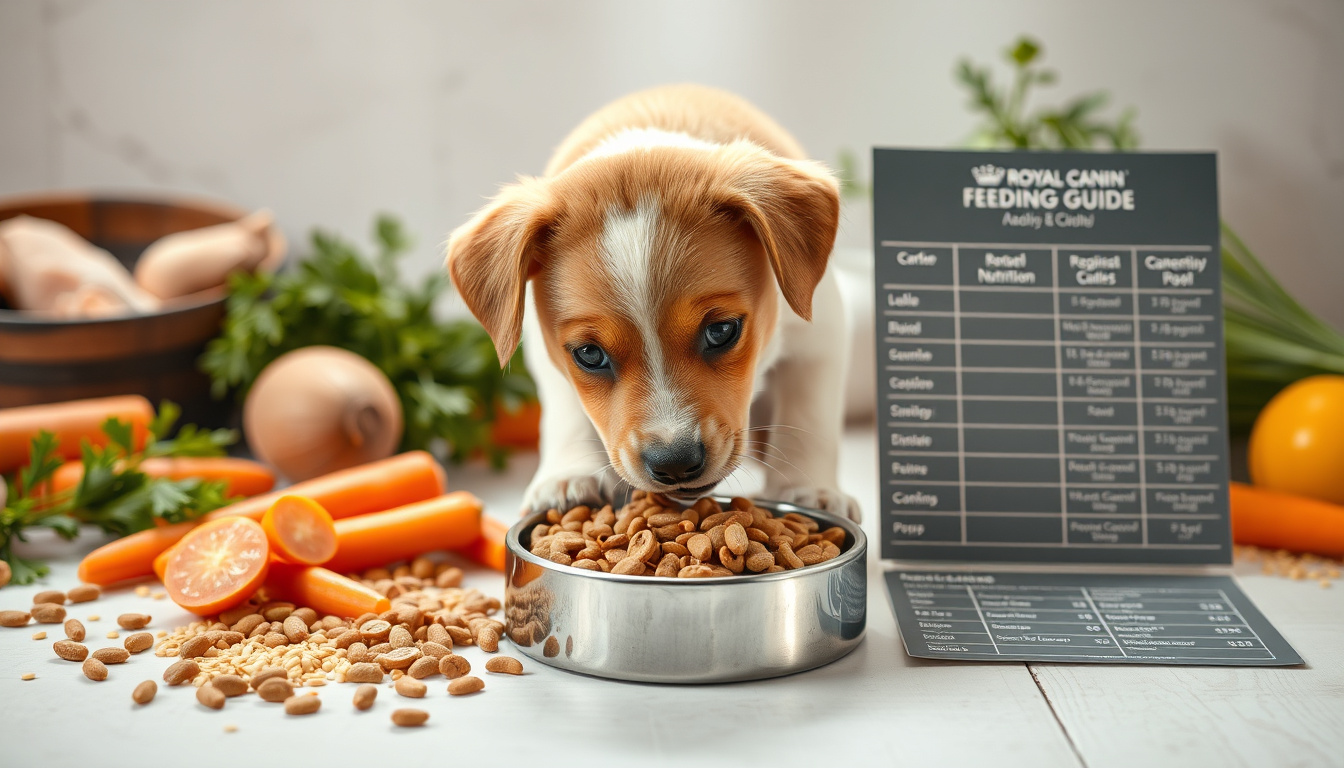

Royal Canin puppy food occupies a significant position in the pet nutrition market, offering breed-specific and size-specific formulas designed to support puppies through their critical growth stages. The brand’s extensive product range addresses different puppy sizes—from toy breeds maturing under 22 pounds to large breeds expected to exceed 55 pounds—while incorporating nutrients like DHA for brain development and antioxidants for immune system support. Understanding the ingredients, nutritional profile, and practical considerations of these formulas helps pet owners make informed decisions about their puppy’s diet.
This comprehensive guide examines Royal Canin’s puppy food offerings across multiple dimensions: ingredient quality, nutrient composition, formula selection by breed size, and how the products compare to alternatives available in 2024. Customer feedback from multiple platforms and independent analysis provide additional context for evaluating these products.
Is Royal Canin Puppy Food Good for Puppies?
Royal Canin puppy food receives mixed assessments across different review platforms, with ratings spanning from 3.5 to 4.8 stars depending on the formula and source. Customer ratings on Royal Canin’s own platform tend toward the higher end: the Small Puppy formula holds 4.8 out of 5 stars based on 463 reviews, the Medium Puppy formula rates 4.7 out of 5 from 280 reviews, and the Large Puppy formula achieves 4.7 out of 5 across 182 reviews. Reviewers frequently cite the crunchy kibble texture, digestibility, and visible growth support as positive attributes.
Positive reviews consistently highlight digestibility, the kibble’s dental appeal for developing teeth, and the formula’s effectiveness in supporting steady growth. Owners of small breed puppies particularly appreciate the smaller kibble size designed for tinier mouths.
Independent analysis from DogFoodAdvisor rates breed-specific puppy formulas like the Golden Retriever Puppy option at 3.5 stars, classifying it as a grain-inclusive, average dry product. The independent review acknowledges acceptable fiber content from beet pulp while raising concerns about the prominence of by-product meals and grains in the ingredient list. A featured YouTube review criticizes the ingredient profile as “out of touch” compared to fresh meat-based alternatives, though this perspective represents one viewpoint among many.
The brand positions its puppy formulas as “targeted nutrition” backed by DHA for cognitive development and clinical antioxidants for immune support. These products are widely available through veterinary offices, which implies professional alignment with the brand’s nutritional approach, though explicit veterinary endorsements are not detailed in available documentation. For more detailed customer perspectives, explore our in-depth Reviews section.
Royal Canin Puppy Food at a Glance
| Aspect | Details |
|---|---|
| Protein Content | 28-31% dry matter (above average for kibble) |
| Fat Content | 14-16.3% dry matter (above average) |
| Carbohydrates | Approximately 38.4% (below average for typical kibble) |
| Key Additives | DHA (minimum 0.1%), taurine, prebiotics, antioxidants |
| Available Sizes | Small Puppy (under 22 lb adult), Medium Puppy (11-22 lb), Large Puppy (over 55 lb) |
| Grain-Free Options | None identified—all formulas are grain-inclusive |
Key Insights into Royal Canin Puppy Formulas
- Royal Canin maintains above-average protein and fat levels compared to typical dry kibble, supporting puppies’ rapid growth requirements
- The fat-to-protein ratio of approximately 55% indicates balanced energy distribution for developing dogs
- All puppy formulas include DHA at minimum 0.1%, targeting brain and visual development during critical growth phases
- Prebiotic additions support digestive health, though the effectiveness depends on overall diet composition
- The brand offers specialized formulas for specific breeds and size categories, addressing unique nutritional needs
- No grain-free puppy formulas exist in the current product lineup—all options contain grains such as corn, wheat, or rice
- Brand positioning emphasizes veterinary sales channels, suggesting professional nutritional endorsement
Royal Canin Puppy Food Ingredients and Nutrition
The ingredient profiles of Royal Canin puppy foods share common elements across their dry formula range. Chicken by-product meal serves as the primary protein source in most formulas, derived from slaughterhouse waste and offering approximately 300% more protein concentration than fresh chicken. While this ingredient provides concentrated protein, independent analysts note that by-product quality can vary depending on source and processing standards.
Common Ingredients Across Dry Puppy Formulas
The ingredient composition reflects a grain-based foundation with meat concentrates. Corn and wheat appear prominently in most formulas, while wheat gluten—containing approximately 80% protein but with lower biological value compared to meat proteins—contributes additional protein content. Brewers rice and wheat round out the carbohydrate sources. Chicken fat provides a concentrated energy source high in omega-6 fatty acids, supporting coat health and energy needs.
Fiber content comes primarily from dried plain beet pulp, which serves a dual role as both an acceptable fiber source for digestion and a topic of debate regarding its classification as filler. Powdered cellulose adds non-nutritive fiber to the formulations. Marine sources appear through fish oil, while vegetable oil contributes additional fat content. Synthetic additions include taurine, sodium selenite (a selenium form that some analysts consider controversial), and prebiotic compounds designed to support gut health.
Chicken by-product meal derives from non-rendered parts of chicken including organs, necks, and feet. While it offers concentrated protein, quality depends heavily on sourcing and processing. Pet owners with concerns about ingredient sources should consult with their veterinarian about whether this protein source suits their puppy’s specific needs.
Nutrient Profile Breakdown
The nutritional composition of Royal Canin puppy formulas demonstrates above-average protein and fat levels compared to typical dry kibble products. Dry matter analysis reveals protein content ranging from 28% in the Large Puppy formula to 31% in breed-specific formulas like the Golden Retriever Puppy option. Fat content spans from 14% to 16.3% depending on the specific formula.
Carbohydrate content sits at approximately 38.4% in analyzed formulas, positioning Royal Canin below typical kibble carbohydrate levels despite the grain-based ingredient profile. The overall brand average nutrient profile shows 32.3% protein, 17.8% fat, and 37.8% carbohydrates, with crude fiber maximum around 3.7% and moisture content capped at 10.5%.
| Formula | Protein (min) | Fat (min) | Carbs (est.) | Key Additives |
|---|---|---|---|---|
| Golden Retriever Puppy | 31% | 16.3% | 38.4% | DHA, taurine, beet pulp |
| Large Puppy | 28% | 14% | N/A | DHA 0.1%, Vitamin E |
| Medium Puppy | Similar range | Similar range | Similar range | DHA, prebiotics, antioxidants |
| Small Puppy | Similar range | Similar range | Similar range | DHA, prebiotics, antioxidants |
Wet food options such as the Medium Puppy Thin Slices in Gravy offer alternative texture and moisture content, emphasizing soft food consistency, DHA content, and antioxidant vitamins E and C. These wet options may suit puppies with dental sensitivity or those needing additional hydration support.
How Much Royal Canin Puppy Food to Feed
Feeding guidelines for Royal Canin puppy food recommend age-based and weight-based portioning tailored to growth needs. Puppies have significantly higher energy requirements per body weight compared to adult dogs, and the feeding amounts reflect this increased metabolic demand during developmental stages.
Feeding Guidelines and Portion Recommendations
Royal Canin’s official feeding guidance emphasizes portion control based on your puppy’s current weight and age, with specific recommendations varying by formula and expected adult size. The kibble texture—designed to be crunchy—provides dental benefits for developing teeth and gums, while prebiotic additions aim to support healthy digestion as puppies transition to solid food.
Exact daily feeding amounts depend on multiple factors including your puppy’s breed, current weight, activity level, and individual metabolism. Royal Canin packaging includes detailed feeding charts, though available research materials lack specific quantitative amounts. Pet owners should consult the product packaging for precise measurements or speak with their veterinarian to establish appropriate portion sizes for their individual puppy.
Individual puppies have unique nutritional requirements based on breed, size, health status, and activity level. Before establishing a feeding routine, consult your veterinarian to determine appropriate portions and monitor your puppy’s growth to adjust amounts as needed.
Transitioning Between Life Stages
Royal Canin puppy formulas are designed for the growth phase, which varies significantly by expected adult size. Small breed puppies typically complete their growth faster than large breed puppies, influencing how long puppies should remain on puppy-specific formulas. Transitioning to adult formulas should occur gradually over 7-10 days, mixing increasing proportions of adult food with puppy food to allow the digestive system to adjust.
Large breed puppies—those expected to exceed 55 pounds at maturity—have extended growth periods and specific nutritional needs related to bone development. Royal Canin’s Large Puppy formula addresses these requirements with adjusted nutrient levels suited to big dogs’ growth trajectory. Pet owners should track their puppy’s weight and body condition regularly and adjust feeding amounts based on growth rate rather than fixed schedules.
Best Royal Canin Puppy Formulas by Breed Size
Royal Canin distinguishes its puppy formulas primarily by anticipated adult size, with specialized options for small, medium, and large breed puppies. These size-specific formulas adjust kibble dimensions, nutrient density, and caloric content to match puppies’ developmental needs based on their expected mature weight.
Small Breed Puppy Formula
The Small Puppy formula targets dogs with expected adult weights under 22 pounds. This formula features smaller kibble pieces designed for tiny mouths and features chicken by-product meal as the primary protein source along with brewers rice for carbohydrate content. The formula includes DHA for brain development, prebiotics for digestive support, and antioxidants for immune system development. Customer ratings of 4.8 out of 5 stars from 463 reviews reflect strong satisfaction with this product among small breed owners.
Medium Breed Puppy Formula
Medium Puppy formulas address dogs expected to weigh between 11 and 22 pounds at maturity. The product lineup includes both dry kibble options and wet food alternatives such as Thin Slices in Gravy. These formulas share the core nutritional approach of supporting brain development, immune function, and digestive health through targeted nutrient additions. The Medium Puppy dry formula holds a 4.7-star rating from 280 customer reviews.
Large Breed Puppy Formula
The Large Puppy formula serves puppies expected to exceed 55 pounds at adult weight. This formula accounts for the extended growth period and specific skeletal development needs of large breed dogs. With protein content at a minimum of 28% and fat at 14%, the formula provides sustained energy for growth without excessive caloric density that might promote too-rapid weight gain. The Large Puppy option rates 4.7 out of 5 stars from 182 reviews.
Breed-Specific Formulas
Beyond size-based options, Royal Canin offers breed-specific puppy formulas such as the Golden Retriever Puppy variety. These specialized products adjust nutrient profiles for breed-specific requirements, with the Golden Retriever formula featuring an above-average meat profile while maintaining the chicken by-product meal base. The breed-specific approach extends beyond simple size categorization to address known breed characteristics affecting nutritional needs.
Royal Canin Puppy Food Pros, Cons and Comparisons
Evaluating Royal Canin puppy food requires balancing its acknowledged strengths against notable limitations identified through independent analysis and customer feedback.
Advantages of Royal Canin Puppy Formulas
- Specialized sizing and nutrition for different breed categories addresses specific developmental needs
- Consistent availability through veterinary channels and major pet retailers
- DHA content targets brain and visual development during critical growth windows
- Prebiotic additions support digestive health and nutrient absorption
- High customer satisfaction on Royal Canin’s own platform (4.7-4.8 stars)
- Above-average protein and fat levels support puppies’ growth requirements
- Extended product lineup with wet food alternatives for variety
Limitations and Concerns
- Chicken by-product meal as primary protein source draws criticism from quality-focused reviewers
- Prominent grain content (corn, wheat, wheat gluten) may concern owners seeking meat-forward diets
- Independent reviews rate some formulas as merely average (3.5 stars) compared to other options
- Wheat gluten provides protein concentration but with lower biological value than whole meat proteins
- Sodium selenite form raises questions among nutrition analysts regarding selenium bioavailability
- No grain-free puppy formulas available for puppies with grain sensitivities
Comparison to Alternative Brands
Compared to premium fresh food alternatives, Royal Canin faces criticism for its reliance on grains and by-product meals. Fresh food proponents emphasize whole meat proteins, organ content, vegetables, and bone content as more biologically appropriate for dogs. Independent analysis classifies Royal Canin as average kibble with notable meat content but grain-heavy composition.
When compared to other mainstream veterinary brands, Royal Canin occupies a similar market position with comparable ingredient philosophies. The breed-specific and size-specific approach distinguishes Royal Canin from broader-market competitors, though the underlying ingredient quality and nutritional approach align with conventional kibble production methods.
What We Know and Don’t Know About Royal Canin Puppy Food
Clarity about Royal Canin puppy food requires distinguishing between established facts from verified sources and areas where information remains limited or uncertain.
Confirmed facts include the brand’s absence from recent recalls (no mentions in 2024 data), the consistent grain-inclusive formulation across all puppy products, the range of size-specific formulas, and customer satisfaction ratings from Royal Canin’s platform. Nutrient profiles showing above-average protein and fat compared to typical kibble are documented across multiple sources.
| Established Information | Information That Remains Unclear |
|---|---|
| All puppy formulas are grain-inclusive—no grain-free options exist | Comprehensive recall history beyond recent data not verified |
| No recalls mentioned in 2024 or recent available records | Independent veterinary endorsements or clinical studies not detailed |
| Protein ranges from 28-31% dry matter across formulas | Specific cost per pound varies by retailer without centralized pricing data |
| DHA included at minimum 0.1% across all puppy formulas | Long-term health outcomes compared to alternative diets not documented |
| Customer ratings range from 3.5-4.8 stars depending on source and formula | Quality variation between by-product meal sources not detailed |
Where to Buy Royal Canin Puppy Food
Royal Canin puppy food products are available through multiple retail channels, ensuring accessibility for most pet owners. The brand maintains strong distribution through veterinary offices, where many pet owners first encounter the products through professional recommendations. Major pet retail chains including PetSmart carry the full range of size-specific formulas, with products available in various bag sizes from 4-pound packages to larger quantities.
Online retailers also stock Royal Canin puppy products, offering the convenience of home delivery and potential price comparison opportunities. However, specific pricing data varies significantly by retailer, and comprehensive cost-per-pound comparisons are not readily available in current market information. Pet owners should verify pricing across their preferred retailers and consider purchasing from authorized dealers to ensure product authenticity.
Sources and Professional Perspectives
Royal Canin’s official product pages emphasize the brand’s nutritional expertise and veterinary positioning, describing formulas as “targeted nutrition” with clinical support for development. The brand’s presence in veterinary offices and academic nutrition guidelines suggests professional acceptance of its nutritional approach.
“Royal Canin puppy formulas incorporate DHA for brain development, prebiotics for digestion, and antioxidants for immune support—targeted nutrition designed for the specific developmental needs of growing puppies.”
— Royal Canin official product descriptions
Independent analysis from third-party review platforms provides contrasting perspective, rating formulas as average to above-average kibble while identifying concerns about ingredient sourcing. The gap between Royal Canin’s promotional positioning and independent nutritional assessment highlights the importance of consulting multiple sources when evaluating pet food options.
Summary
Royal Canin puppy food offers a comprehensive range of size-specific and breed-specific formulas designed to support puppies through their growth developmental stages. The products receive generally positive customer reviews on the brand’s own platform (4.7-4.8 stars) while receiving more critical assessments from independent analysts (as low as 3.5 stars). Nutritional profiles show above-average protein and fat content suitable for growth requirements, though the ingredient composition relies heavily on grain sources and by-product meals rather than whole meat proteins. All current puppy formulas are grain-inclusive, with no grain-free options available. The brand’s veterinary distribution and clinical positioning suggest professional nutritional support, though explicit independent endorsements are not detailed in available documentation. Pet owners considering Royal Canin puppy food should evaluate their priorities regarding ingredient quality, nutritional science, breed-specific tailoring, and budget, consulting their veterinarian to determine whether these formulas suit their individual puppy’s needs.
Frequently Asked Questions
Where can I purchase Royal Canin puppy food?
Royal Canin puppy food is available through veterinary offices, major pet retail chains including PetSmart and Petco, and online retailers. Authorized dealers ensure product authenticity and proper storage conditions.
What is the difference between Royal Canin puppy and adult formulas?
Puppy formulas contain higher nutrient density, DHA for brain development, and adjusted caloric content to support growth. Adult formulas maintain appropriate nutrition for mature dogs without the growth-specific additions.
How long should puppies eat Royal Canin puppy food?
Duration depends on expected adult size. Small breed puppies typically transition at 10-12 months, while large breed puppies may require 12-18 months on puppy formula due to extended growth periods.
Is Royal Canin puppy food grain-free?
No. All Royal Canin puppy formulas are grain-inclusive, containing ingredients such as corn, wheat, or rice. No grain-free puppy options are currently available in the product lineup.
Has Royal Canin puppy food been recalled?
No recalls were mentioned in 2024 data or recent results. However, comprehensive historical recall information is limited in available documentation.
What size kibble does Royal Canin Small Puppy formula use?
The Small Puppy formula features smaller kibble pieces specifically designed for tiny mouths and teeth, making it easier for small breed puppies to chew and digest their food.
Does Royal Canin puppy food contain DHA?
Yes. All Royal Canin puppy formulas include DHA at a minimum of 0.1%, targeting brain and visual development during critical growth stages.
Should I consult a vet before choosing Royal Canin puppy food?
Yes. While Royal Canin products are available without prescription, consulting your veterinarian ensures the formula matches your puppy’s specific breed, size, health status, and nutritional requirements.

Oliver William Davies Thompson is a staff writer for MetroReport.uk, covering city news, transport, housing and urban policy. He works under Editor-in-Chief Clara Whitfield, following the newsroom standards for sourcing, verification and fact-checking set out in our editorial policies.