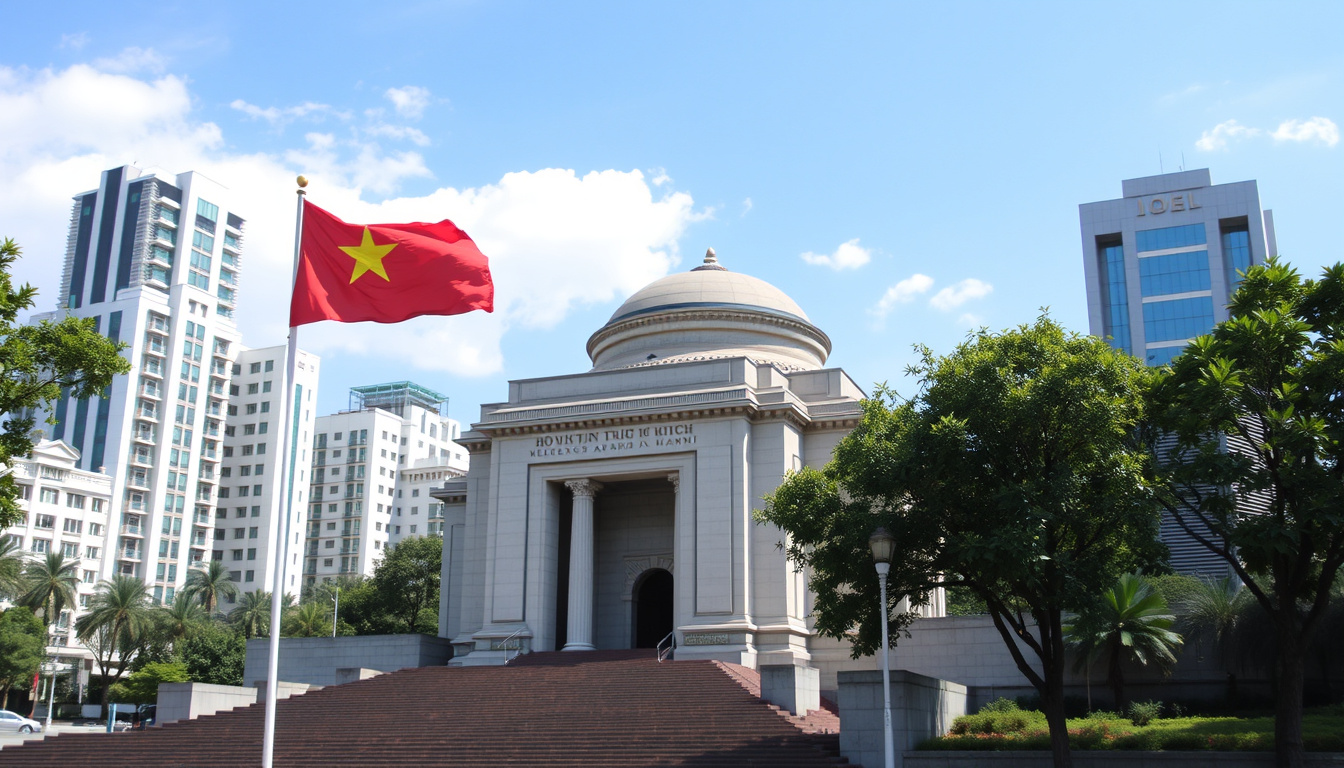
Mention Vietnam and Ho Chi Minh’s name inevitably comes up — but few realize how his one-party system still governs daily life from law books to sidewalk etiquette. Here’s a grounded look at who Ho Chi Minh was, what his name means, and why your next trip to Vietnam is quietly governed by his political legacy.
Birth name: Nguyen Sinh Cung (1890) ·
Role: Founder of the Indochinese Communist Party (1930) ·
Presidency: President of North Vietnam (1945–1969) ·
Death: September 2, 1969 in Hanoi ·
Namesake city: Ho Chi Minh City (formerly Saigon) renamed in 1976 ·
Political legacy: North Vietnam unified with South under communist rule in 1976
Quick snapshot
- Vietnam is a one-party socialist republic led by the Communist Party (Vietnam Government Portal – official state biography)
- Ho Chi Minh founded the Indochinese Communist Party in 1930 (Vietnam Government Portal – official state biography)
- Exact level of social acceptance for LGBTQ individuals varies by region (no nationwide survey)
- Some taxi scams are unreported; frequency uncertain
- The precise number of locals who still use the name “Saigon” informally is not quantified
- The exact influence of Ho Chi Minh’s legacy on everyday legal enforcement is difficult to measure
- 1890: Born in Nghe An province – 1976: Saigon renamed Ho Chi Minh City
- Communist Party maintains strict control; no legal opposition allowed
The table below summarizes essential biographical details.
| Attribute | Detail |
|---|---|
| Full name | Nguyen Sinh Cung (born 1890) |
| Date of death | September 2, 1969 |
| Title | President of North Vietnam (1945–1969) |
| Key achievement | Led Vietnam to independence from French colonial rule |
| Namesake city | Ho Chi Minh City (population ~9 million) |
Is Vietnam still communist?
Yes, Vietnam is a one-party socialist republic under the Communist Party of Vietnam (Vietnam Government Portal – official state biography). The party controls all state institutions, the military, and the media. No legal opposition parties are permitted. According to the Vietnam Government Portal (official state biography), the party’s role is enshrined in the constitution as the leading force of state and society. This structure traces directly to Ho Chi Minh’s 1945 declaration of independence and the 1946 Constitution, which VietnamPlus (state-run news outlet) says institutionalized his ideas of popular sovereignty and democratic centralism.
For anyone visiting Vietnam, the communist framework rarely intrudes on daily tourism — but it does mean some political conversations and public protests are off-limits.
The implication: If you’re wondering whether Vietnam has moved away from communism, the answer is no — the party’s grip has only tightened since reunification in 1976.
What does ‘Ho Chi Minh’ mean in English?
“Ho Chi Minh” translates to “Bringer of Light” or “He who enlightens”. According to Britannica (encyclopedic reference), the name was adopted as a revolutionary alias during his time abroad. His birth name was Nguyen Sinh Cung; he also used Nguyen Tat Thanh and Nguyen Ai Quoc (“Nguyen the Patriot”). The symbolic meaning reflects the role he carved for himself as the ideological father of modern Vietnam.
Why did they rename Saigon to Ho Chi Minh City?
After the fall of Saigon on April 30, 1975, the communist government officially renamed the city Ho Chi Minh City in 1976 to honor the revolutionary leader who died seven years earlier. The Vietnam Government Portal (official state biography) confirms the renaming as part of reunification. Locals often still call the city “Saigon” in casual conversation, but the official name carries the weight of an ideological victory.
“Nothing is more precious than independence and freedom.” — Ho Chi Minh, 1969 speech (Britannica – encyclopedic reference)
What this means: The name change was a deliberate political statement — the former capital of South Vietnam now permanently bears the name of its communist founder.
Is LGBTQ allowed in Vietnam?
Same-sex relationships are not illegal in Vietnam, but same-sex marriage is not legally recognized. VietnamPlus (state-run news outlet) notes that there are no anti-discrimination laws protecting LGBTQ individuals. In practice, social acceptance varies widely — urban centers like Ho Chi Minh City are more tolerant, while rural areas remain conservative. The lack of legal protections means discrimination in housing, employment, or healthcare has no clear recourse.
“Ho Chi Minh led a long and ultimately successful campaign to make Vietnam independent.” — BBC History profile
The catch: Vietnam’s communist framework prioritizes social stability, and LGBTQ rights have not been a legislative priority under the current government.
Is Vietnam safe for tourists?
Vietnam is generally safe for tourists, with low violent crime rates. However, TripAdvisor travel guides (user-generated content with caution) caution that petty theft and scams — especially taxi overcharging and pickpocketing — are common in tourist-heavy areas. Health risks include food and water hygiene; tap water is not potable. The UK Foreign Travel Advice (Tier 1 – government) rates the country as having a low threat from terrorism.
Solo travelers and first-time visitors should stick to well-reviewed accommodation, avoid flashing valuables, and use ride-hailing apps like Grab to sidestep taxi scams.
Why this matters: The same state that controls political expression also maintains a tight grip on public order — which means most tourists experience a safe, orderly visit as long as they observe basic precautions.
Timeline
- : Ho Chi Minh born Nguyen Sinh Cung in Nghe An province (Vietnam Government Portal).
- : Left Vietnam; traveled and worked abroad (Vietnam Government Portal).
- : Founded the Indochinese Communist Party (Vietnam Government Portal).
- : Declared independence of the Democratic Republic of Vietnam (North Vietnam) at Ba Dinh Square (Vietnam Government Portal).
- : Defeated French at Dien Bien Phu; Geneva Accords partition Vietnam (Britannica).
- : Died in Hanoi; Vietnam War continued (Vietnam Government Portal).
- : Fall of Saigon; communist forces take over (Vietnam Government Portal).
- : Saigon officially renamed Ho Chi Minh City (Vietnam Government Portal).
The timeline shows Ho Chi Minh’s central role in Vietnam’s 20th-century trajectory.
Confirmed facts & what’s unclear
Confirmed
- Vietnam is a one-party communist state (Vietnam Government Portal).
- Ho Chi Minh founded the Communist Party of Vietnam in 1930 (Vietnam Government Portal).
- Saigon was renamed Ho Chi Minh City in 1976 (Vietnam Government Portal).
- Same-sex marriage is not legally recognized in Vietnam (VietnamPlus).
What’s unclear
- Exact level of social acceptance for LGBTQ individuals varies by region; no comprehensive study.
- Some taxi scams are unreported; frequency uncertain.
- The precise number of locals who still use the name “Saigon” informally is not quantified.
- The exact influence of Ho Chi Minh’s legacy on everyday legal enforcement is difficult to measure.
“Ho Chi Minh’s legacy on democracy, the rule of law, and great national unity continues to shape Vietnam’s legislature.” — VietnamPlus (state-run news outlet)
For American tourists, the implication is clear: follow local laws and customs, avoid political discussions, and you’ll experience a safe, welcoming country that still lives under the system Ho Chi Minh built.
mrlinhadventure.com, ebsco.com, usvietnam.uoregon.edu, reddit.com, en.wikipedia.org, politicaltheory.hcma.vn, worldnomads.com, youtube.com, insightbritain.co.uk
Frequently asked questions
What is the Ho Chi Minh Trail?
The Ho Chi Minh Trail was a network of supply routes used by North Vietnam to support communist forces in South Vietnam during the Vietnam War. It ran through Laos and Cambodia.
How did Ho Chi Minh die?
Ho Chi Minh died of heart failure on September 2, 1969, in Hanoi, at age 79.
Was Ho Chi Minh a good leader?
Opinions are deeply divided. Supporters see him as a father of Vietnamese independence; critics point to his role in establishing a one-party state that suppresses dissent. Britannica calls him one of the most influential communist leaders of the 20th century.
What are the best things to do in Ho Chi Minh City?
Visit the War Remnants Museum, explore Ben Thanh Market, see the Notre-Dame Cathedral Basilica of Saigon, and take a street food tour in District 1.
Which country is Ho Chi Minh associated with?
Ho Chi Minh is exclusively associated with Vietnam as its revolutionary founder and first president of North Vietnam.
What is the population of Ho Chi Minh City?
The city’s population is approximately 9 million within the urban area, making it Vietnam’s largest city.
Is Ho Chi Minh City the capital of Vietnam?
No, the capital is Hanoi. Ho Chi Minh City is the largest city and economic hub.

Oliver William Davies Thompson is a staff writer for MetroReport.uk, covering city news, transport, housing and urban policy. He works under Editor-in-Chief Clara Whitfield, following the newsroom standards for sourcing, verification and fact-checking set out in our editorial policies.