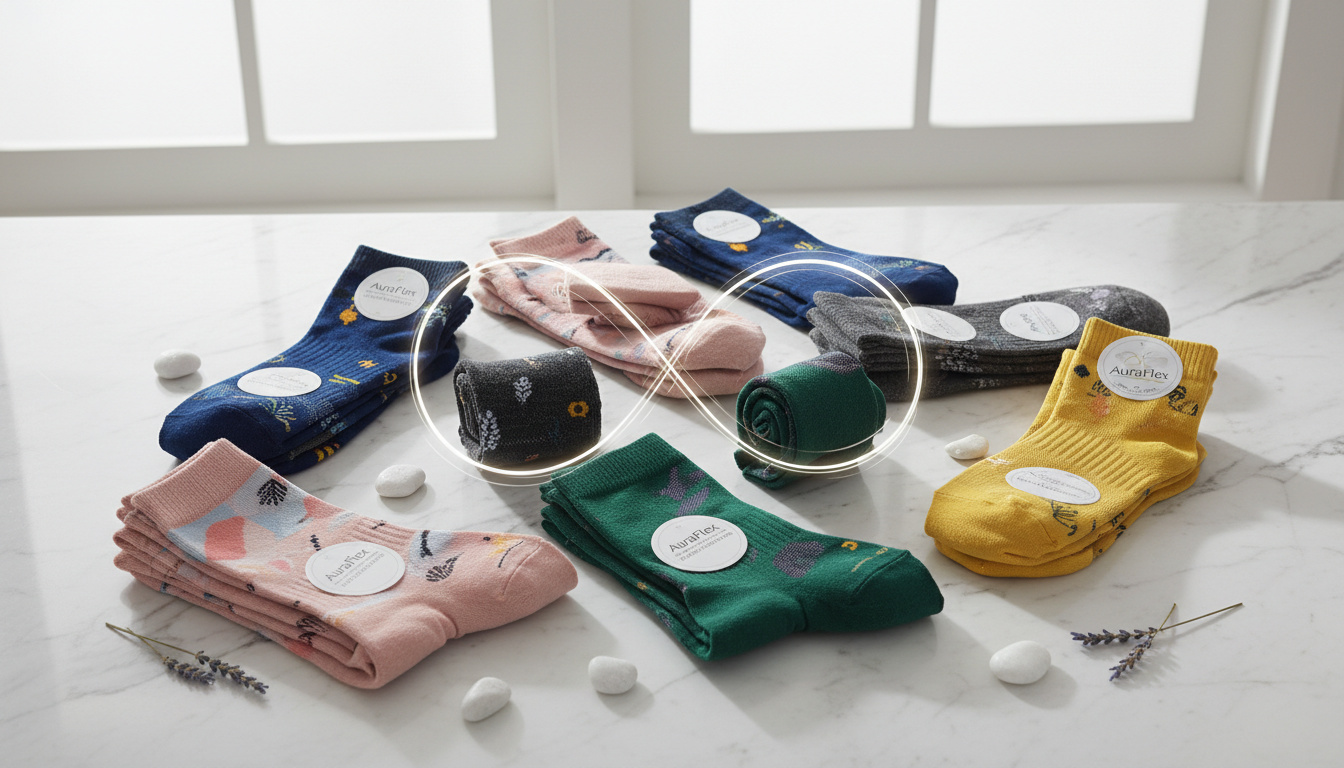
Compression socks have transitioned from clinical devices to essential wellness tools for women managing circulation, travel swelling, and athletic recovery. Contemporary designs address specific anatomical requirements ranging from maternity support to wide-calf accommodations, utilizing graduated compression technology that applies strongest pressure at the ankle and decreases toward the calf.
Selecting appropriate compression levels requires understanding millimeters of mercury (mmHg) ratings matched to specific use cases. Testing by Women’s Health and trail running evaluations identify distinct categories: medical-grade firm compression for varicose veins, moderate levels for pregnancy and air travel, and breathable synthetic options for endurance sports.
This examination analyzes top-performing models including Physix Gear’s wide-calf designs and SockWell’s merino wool blends, while clarifying sizing protocols and distinguishing between therapeutic and athletic applications based on recent product testing.
What Are the Best Compression Socks for Women?
Current testing identifies four primary categories dominating the women’s market. Physix Gear Compression Socks lead for overall use with 20-30 mmHg medical-grade pressure and wide-calf compatibility. Comrad Knee High models excel for travel applications, minimizing plane swelling with 15-20 mmHg tightness. CEP The Run 4.0 targets runners with breathable polyamide construction, while SockWell Elevation addresses edema concerns through merino wool blends with 15-20% additional stretch for wider calves.
Key insights from 2025-2026 evaluations reveal critical selection criteria:
- 20-30 mmHg provides firm therapeutic support without excessive tightness for daily wear and varicose vein management.
- Wide calf options accommodate measurements up to 20 inches, requiring morning measurement protocols for accurate fit.
- Nylon-spandex blends dominate athletic categories, offering moisture-wicking properties essential for runners.
- Merino wool and bamboo blends provide natural odor resistance preferred for extended travel use.
- 15-20 mmHg compression suffices for pregnancy-related circulation support and minor swelling.
- Frequent washing degrades compression effectiveness in some synthetic models, necessitating durable brand selection.
- Colorful alternatives like Crazy Compression provide patterned options without sacrificing support functionality.
Comparative analysis of leading models demonstrates distinct performance characteristics:
| Model | Compression | Key Features | Price Range |
|---|---|---|---|
| Physix Gear | 20-30 mmHg | Wide calf to 20″, nylon/spandex | Mid-range |
| Comrad Knee High | 15-20 mmHg | Travel-optimized, 10-20″ calf | Mid-range |
| CEP Run 4.0 | Mid-range | Polyamide/elastane, breathable | $60 |
| Rockay Vigor | 16-23 mmHg | Recycled nylon, eco-friendly | $58 |
| SockWell Elevation | 20-30 mmHg | Merino wool blend, 15-20% wider | Mid-range |
| Bombas | Moderate | Cotton/synthetic blend, cozy fit | Mid-range |
| Crazy Compression | Varies | Patterned designs, fun colors | Varies |
Budget-conscious consumers can consider Outway Flagship models at approximately $12, though durability testing suggests investing in mid-range options for daily medical use. Consumer Reports evaluations indicate that colorful pattern options from specialty manufacturers maintain compression integrity comparable to medical-grade white or beige alternatives.
What Are Compression Socks Good For?
Circulation and Venous Support
Graduated compression technology applies calibrated pressure to assist venous return, reducing blood pooling in lower extremities. Testing confirms 15-20 mmHg ratings effectively address daily swelling and spider veins, while 20-30 mmHg provides therapeutic support for diagnosed venous conditions.
Pregnancy Applications
Expectant mothers benefit from moderate compression to alleviate heavy leg sensations and prevent spider vein development during gestation. The 15-20 mmHg range enhances circulation without restricting blood flow, addressing fluid retention common in later trimesters.
Clinical testing indicates 15-20 mmHg compression reduces lower limb fatigue during pregnancy while supporting venous return. Women should measure calf circumference in the morning before swelling accumulates to ensure proper fit throughout gestational changes.
Athletic Recovery
Endurance athletes utilize 16-23 mmHg ratings to reduce post-exercise muscle fatigue and accelerate recovery. iRunFar evaluations demonstrate that synthetic blends with arch and heel padding minimize impact-related soreness during ultramarathon training.
Understanding How Many Calories Do I Burn a Day – BMR and TDEE Explained helps athletes contextualize compression benefits within broader metabolic recovery strategies.
How Do You Choose and Size Compression Socks for Women?
Understanding mmHg Levels
Millimeters of mercury measurements indicate pressure intensity. Light compression (8-15 mmHg) addresses mild fatigue from sedentary work. Moderate levels (15-20 mmHg or 15-23 mmHg) suit daily swelling, pregnancy support, and athletic use. Firm compression (20-30 mmHg) targets varicose veins and medical recovery protocols.
Measurement Protocols
Accurate sizing requires morning measurements before ambulatory swelling occurs. For knee-high styles, measure the ankle at its narrowest point and the calf at its widest circumference. Shoe size determines fit for ankle and crew lengths. SockWell’s sizing guidelines emphasize that calf measurement proves most critical for preventing slippage or excessive tightness.
Wide Calf Accommodations
Specialized wide-calf designs accommodate 10-20 inch circumferences through extended stretch panels or specific wide-size lines. SockWell offers collections with 15-20% additional stretch, while Physix Gear provides dedicated wide sizing up to 20 inches. Women with muscular calves should verify that standard “one size” options accommodate their measurements before purchasing.
Women with diagnosed circulatory disorders, severe varicose veins, or post-surgical conditions should consult physicians before selecting compression levels. Medical-grade compression exceeding 30 mmHg requires professional fitting and monitoring.
Proper fit assessment prevents complications similar to those discussed in Pain Left Side of Stomach – Causes, Symptoms & Red Flags, where precise diagnostic measurement proves essential for health outcomes.
Best Uses for Women’s Compression Socks in Daily Life
Travel Applications
Long-haul flights and extended car travel increase deep vein thrombosis risk through prolonged immobility. Testing indicates Comrad Knee High models minimize plane swelling effectively, providing medical-grade tightness in 15-20 mmHg ratings suitable for economy class seating.
Nursing and Standing Professions
Healthcare workers and retail staff spending 8-12 hours standing benefit from calf-length compression to reduce end-of-shift swelling. Wide calf options prevent constriction that could exacerbate discomfort during extended weight-bearing activities.
Running and Endurance Sports
Trail runners and marathoners select breathable synthetic options like CEP The Run 4.0 or Rockay Vigor to manage moisture and temperature. These models incorporate graduated compression with light cushioning to reduce eccentric muscle damage during downhill segments.
Don compression socks before boarding aircraft to prevent initial swelling, and ensure 15-20 mmHg ratings for flights exceeding four hours. Remove garments immediately if toes become numb or cold during wear.
Style-conscious users seeking professional wardrobe integration can explore patterned compression options that provide medical benefits without clinical aesthetics.
How Has Compression Technology Evolved?
- : Medical introduction for post-surgical recovery and thrombosis prevention in hospital settings.
- : Athletic adoption by endurance sports communities seeking recovery acceleration.
- : Development of women-specific anatomical designs addressing calf-to-ankle ratios and maternity needs.
- : Integration of natural fibers including merino wool and bamboo for odor control and temperature regulation.
- : Sustainable manufacturing using recycled nylon and eco-conscious production methods without performance compromise.
What Does Research Confirm About Compression Benefits?
| Established Evidence | Uncertain or Emerging |
|---|---|
| Deep vein thrombosis prevention during travel and post-surgical recovery according to medical guidelines. | Benefits for healthy individuals during sedentary office work without existing circulatory issues. |
| Reduced edema and swelling in pregnant women and standing workers. | Long-term physiological effects of daily athletic compression use on healthy venous function. |
| Improved venous return and reduced spider vein progression with 20-30 mmHg medical-grade compression. | Universal efficacy claims for non-graduated compression garments. |
Understanding Medical vs. Athletic Compression
Medical compression socks prioritize precise gradient pressure for therapeutic outcomes, typically utilizing 20-30+ mmHg ratings with durable construction for daily clinical use. These devices require precise fitting and often feature reinforced stitching for extended wear durability.
Athletic variants emphasize moisture management and movement accommodation, utilizing 15-23 mmHg ratings with breathable synthetic fabrics. While brands like Physix Gear bridge both categories, true medical-grade options meet stricter compression consistency standards verified by clinical testing.
Material selection distinguishes the categories: medical styles often incorporate higher nylon content for sustained compression, while athletic versions prioritize polyester and polyamide blends for sweat-wicking during exertion.
Expert Perspectives on Compression Therapy
“20-30 mmHg compression provides firm support for varicose veins and medical needs without feeling overly tight for daily wear.”
— Women’s Health Product Testing, 2026 Reviews
“Runners prefer 16-23 mmHg for comfort over hours of wear, with recycled nylon options maintaining performance standards.”
— iRunFar Equipment Analysis
“Wide calf collections with 15-20% additional stretch accommodate anatomical variations while maintaining graduated compression principles.”
— SockWell Technical Guidelines
Summary
Women selecting compression socks should match 15-20 mmHg ratings to travel and pregnancy needs, while reserving 20-30 mmHg for medical conditions like varicose veins. Accurate morning measurement ensures proper fit, particularly for wide calf designs accommodating up to 20 inches. Synthetic blends suit athletic use, whereas merino wool blends excel in odor control for extended wear. Consulting How Many Calories Do I Burn a Day – BMR and TDEE Explained provides additional context for metabolic health management alongside circulatory support.
Frequently Asked Questions
What is the difference between compression socks and compression stockings?
Compression socks typically refer to knee-high or crew-length garments designed for daily wear and athletics, while stockings often describe thigh-high or pantyhose styles providing full-leg compression. Socks offer greater convenience for travel and running, whereas stockings address thigh-level circulatory issues.
How do men’s and women’s compression socks differ?
Women’s designs accommodate anatomical differences in calf-to-ankle ratios and foot volume. Specific lines address pregnancy needs and narrower heel dimensions, while offering style varieties including patterns and colors targeted toward women’s preferences.
Can you wear compression socks to bed?
Unless specifically prescribed by a physician for post-surgical recovery, wearing compression socks during sleep is generally unnecessary. The horizontal position during sleep naturally reduces venous pressure, making graduated compression potentially uncomfortable and unnecessary for healthy individuals.
How tight should compression socks feel?
Properly fitted compression socks feel snug but not painful, with firmest pressure at the ankle that gradually decreases toward the calf. Toes should remain warm and colored normally; numbness, tingling, or cold feet indicate excessive tightness requiring size adjustment.
What is the easiest way to put on compression socks?
Turn the sock inside out to the heel, place foot inside, then gradually unroll the material up the leg rather than pulling from the top. Donning gloves or applying talcum powder to dry skin can reduce friction during application.

Oliver William Davies Thompson is a staff writer for MetroReport.uk, covering city news, transport, housing and urban policy. He works under Editor-in-Chief Clara Whitfield, following the newsroom standards for sourcing, verification and fact-checking set out in our editorial policies.