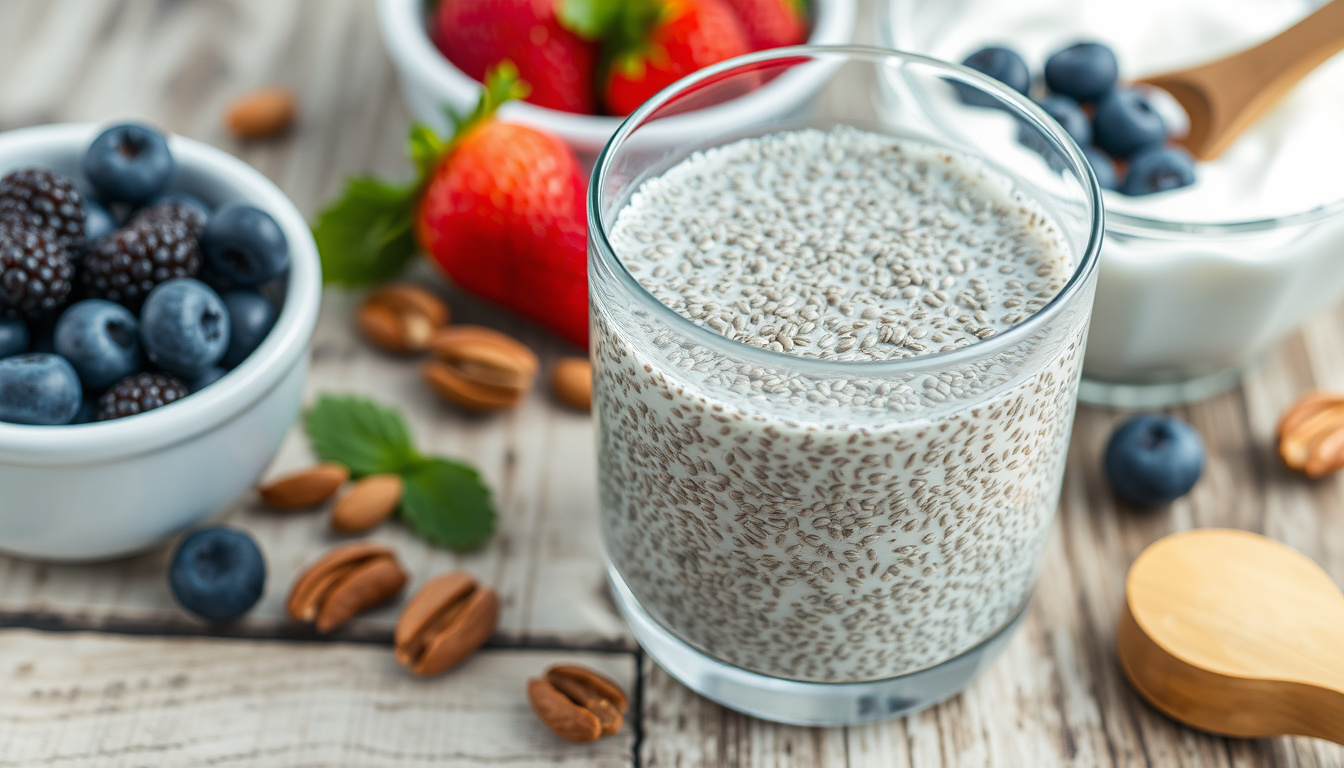

If you’ve ever sprinkled tiny flecks into your morning yogurt or stirred them into water and watched them gel up, you already know chia seeds feel different from most pantry staples. What you might not know is whether that texture translates into genuine health perks—or whether the hype outpaces the science. The answer sits somewhere in between, and it matters if you’re deciding whether to keep buying them.
Fiber per ounce: 9–9.8 grams · Omega-3 fatty acids: high source · Calcium content: bone-healthy levels · Protein benefit: stabilizes blood sugar · Potential risks: digestive issues if overconsumed
Quick snapshot
- High fiber supports digestion and heart health (Mayo Clinic Health System)
- Omega-3s rival ground flaxseed in ALA content (Mayo Clinic Health System)
- Direct belly fat reduction lacks human trial confirmation (Harvard Nutrition Source)
- Optimal daily timing remains unstudied (Harvard Nutrition Source)
- Human studies on blood pressure reduction span 2021 study (40g/day, 12 weeks) (Healthline)
- St. Michael’s Hospital diabetes trial used 37g/day (PMC/NIH)
- Incorporate chia as part of varied plant-rich diets, not as standalone cure (Harvard Nutrition Source)
- Start with 1 ounce (28g) daily, soak before eating (Healthline)
| Property | Detail |
|---|---|
| Origin | Ancient superfood |
| Primary nutrient | Soluble fiber |
| Caloric density | Nutrient-packed, low cal |
| Hydration need | Soak before eating |
| Fiber per 28g serving | 9–9.8 grams (Healthline) |
| Insoluble fiber percentage | 85–93% (Healthline) |
| Blood pressure effect | Up to 6 mmHg systolic reduction (PMC/NIH) |
What are the pros and cons of chia?
The case for chia seeds rests on a nutrient profile that genuinely stands out. A single ounce delivers roughly 9.8 grams of dietary fiber—a substantial portion of the recommended daily intake—along with omega-3 alpha-linolenic acid (ALA) comparable to ground flaxseed (Mayo Clinic Health System). The fiber is mostly insoluble (85–93%), which adds bulk to stool and supports bowel regularity, while the soluble mucilage fraction helps slow sugar absorption to prevent blood glucose spikes (Harvard Nutrition Source).
Key benefits
- Rich source of bone-healthy calcium, magnesium, and phosphorus—chia actually provides more of these minerals than milk (PMC/NIH)
- Antioxidants including quercetin, myricetin, and caffeic acid combat free radicals and support heart and liver health (Cleveland Clinic)
- Omega-3 fatty acids help lower inflammation and may contribute to improved cardiovascular markers (Harvard Health)
- Protein content promotes satiety; the gel-forming property creates a feeling of fullness that may aid weight management (Harvard Health)
Potential drawbacks
- Eating too many chia seeds may cause digestive issues including abdominal pain, diarrhea, bloating, flatulence, or constipation—especially if you don’t drink enough water (Healthline)
- Dry chia seeds consumed without soaking can expand in the esophagus and potentially cause bowel obstruction in rare cases (Medical News Today)
- Allergic reactions are possible, though uncommon (Medical News Today)
- Harvard Nutrition Source notes that human studies show no specific benefit of chia seeds alone on cardiovascular risk factors; benefits appear in varied plant-rich diets rather than isolation (Harvard Nutrition Source)
The catch: WebMD rates the scientific evidence for chia seeds supporting conditions like diabetes, heart disease, and high blood pressure as “no good scientific evidence”—meaning the benefits largely reflect general omega-3 and fiber effects rather than chia-specific action (WebMD).
Chia seeds deliver measurable fiber, omega-3s, and minerals—but they work best as part of an overall healthy diet, not as a standalone intervention.
Readers who add chia seeds to a varied plant-rich diet gain genuine fiber, omega-3s, and minerals—but those expecting a cure-all may waste money on a supplement that delivers only general nutrition benefits.
How much chia seeds should you eat a day?
If you’re new to chia seeds, the standard recommendation is to start with 1 ounce (28 grams) daily—about two tablespoons—and soak them for 5–10 minutes before eating (Healthline). This dose delivers roughly 9–9.8 grams of fiber along with your omega-3s and protein, striking a balance between benefit and digestive tolerance.
Recommended daily intake
- Starting dose: 1 ounce (28g) per day for most adults (Healthline)
- Therapeutic studies: Research on blood pressure used 40g/day for 12 weeks; diabetes studies used 37g/day (PMC/NIH)
- Upper limit consideration: Some trials investigated 50g/day for 30 days in healthy individuals, but this is above typical dietary use (PMC/NIH)
- Hydration critical: Always consume chia with adequate water—the gel-forming property requires liquid to work safely through your digestive system (Healthline)
Portion guidelines
- Mix 1–2 tablespoons into yogurt, oatmeal, smoothies, or pudding
- Add to water (1:10 ratio chia to water, let sit 10 minutes) for a gel drink
- Sprinkle over salads or baked goods as a topping
- Avoid eating dry chia seeds straight—they need liquid to expand safely
The implication: More is not necessarily better. High amounts amplify the risk of digestive distress without proportionally increasing benefits. Stick to the starting dose unless you’re following a specific research-backed protocol under guidance.
The protein and fiber in chia seeds can help stabilize blood sugar levels—but only if consumed in moderation alongside a balanced diet.
Newcomers who start with 1 ounce daily and soak seeds properly get roughly 9–9.8g fiber without digestive upset, while those exceeding 2–3 ounces risk constipation or bloating without added benefit.
Are there side effects of eating too many chia seeds?
Yes, overdoing chia seeds produces real gastrointestinal symptoms. The same fiber that helps your gut can overwhelm it if you’re not accustomed to high-fiber foods or if you consume chia without sufficient liquid.
Digestive issues
- Bloating and abdominal discomfort are the most commonly reported symptoms when exceeding recommended amounts (Healthline)
- Diarrhea or loose stools occur because the soluble fiber absorbs water and adds bulk (Healthline)
- Constipation can result from inadequate hydration—the fiber needs water to move through your system (Healthline)
- Rare cases of esophageal or bowel obstruction have been reported, particularly when dry chia seeds are eaten without soaking (Medical News Today)
Other risks
- Allergic reactions, while uncommon, can include itching, swelling, or difficulty breathing in sensitive individuals (Medical News Today)
- Pregnant or breastfeeding individuals should exercise caution—insufficient data exists to confirm safety in these populations (PharmEasy)
- People with existing digestive conditions like IBS or IBD should consult a healthcare provider before adding significant amounts to their diet
What this means: Moderation is key. A tablespoon or two daily is well-tolerated by most people; exceeding 2–3 ounces without building up tolerance invites discomfort. The solution is simple: start low, soak chia in liquid, and hydrate well throughout the day.
People with sensitive digestive systems or those on blood pressure medications who consume chia without proper hydration and dosage control risk abdominal pain, constipation, or dangerous medication interactions.
Does chia seed reduce belly fat?
The short answer is no direct evidence supports chia seeds targeting visceral or belly fat specifically in humans. What research does suggest is an indirect contribution to weight management through satiety and metabolic support.
Evidence on weight loss
- Animal studies show chia seeds reduce visceral fat, triglycerides, and LDL cholesterol—but these results don’t automatically transfer to humans (PMC/NIH)
- Human studies on chia alone show no significant effect on body weight, blood pressure, lipids, or inflammation when isolated from overall diet changes (Harvard Nutrition Source)
- A 2019 review noted benefits in overweight diabetic individuals, but results were tied to overall dietary patterns rather than chia in isolation (PharmEasy)
- The gel-forming property does increase fullness, which may help reduce overall calorie intake—a mechanism that indirectly supports weight management (Harvard Health)
Related benefits
- Fiber promotes intestinal health and regular bowel movements, which can reduce bloating appearance (Mayo Clinic Health System)
- Reduced inflammation from omega-3s and antioxidants may support metabolic health over time (Cleveland Clinic)
- Improved blood sugar control from fiber slowing carbohydrate absorption aids weight management efforts
The pattern: Chia seeds may support a weight management routine through satiety and metabolic mechanisms, but they’re not a spot-reducer for belly fat. Any weight-related benefit comes from overall dietary context, not chia alone.
Consumers expecting chia to spot-reduce belly fat will be disappointed, while those using it as part of a calorie-controlled diet may experience modest satiety benefits that support overall weight management.
What not to mix with chia seeds?
Some food and supplement combinations can either reduce chia’s effectiveness or create digestive issues. Being intentional about pairings helps you get the most benefit without discomfort.
Problematic combinations
- Dry consumption: Never eat raw dry chia seeds alone—they need liquid to expand safely. This is especially important for those with swallowing difficulties or esophageal narrowing (Medical News Today)
- Excessive fiber stacking: Combining chia with other high-fiber supplements (psyllium, flax meal) in large amounts can cause excessive gas and bloating
- Blood sugar medications: Since chia may lower blood sugar, combining with diabetes medications without monitoring could cause hypoglycemia (Healthline)
- Blood pressure medications: Similarly, chia’s potential to reduce blood pressure could amplify medication effects (PMC/NIH)
Safe pairings
- Yogurt with fruit—probiotics and fiber together support gut health
- Oatmeal or overnight oats—soluble fiber synergy
- Smoothies with nut butter or protein powder—balanced macronutrients
- Water or herbal tea when hydrating throughout the day
- Flaxseed as a substitute if you want similar omega-3 benefits (Medical News Today)
The trade-off: If you’re on medications for blood sugar or blood pressure, chia seeds could work too well. Talk to your healthcare provider about timing and dosage to avoid unintended interactions.
Patients on blood sugar or blood pressure medications who combine chia without consulting their doctor risk overmedication effects, while those who pair chia with yogurt, oatmeal, or smoothies gain complementary nutritional benefits.
Upsides
- Excellent fiber source for heart health and digestion
- Omega-3 ALA supports anti-inflammatory pathways
- Rich in calcium, magnesium, potassium—more than milk
- Gel formation increases satiety for weight management
- Antioxidants protect against oxidative stress
- Versatile: works in yogurt, water, oatmeal, baked goods
Downsides
- Digestive issues (bloating, diarrhea, constipation) if overconsumed
- Dry chia can cause obstruction without adequate liquid
- No strong human evidence for standalone disease treatment
- May interact with blood sugar and blood pressure medications
- Pregnancy/breastfeeding safety not confirmed
- Allergic reactions possible in sensitive individuals
What experts say
“Chia seeds do not act alone to benefit human health but may contribute to disease prevention when incorporated as part of a varied plant-rich diet.”
— Harvard Nutrition Source (Harvard T.H. Chan School of Public Health)
“Moderation is key, as eating too much may cause side effects, such as constipation and abdominal discomfort.”
— Healthline (Nutrition Article)
“There is no good scientific evidence to support these uses [diabetes, heart disease, etc.].”
— WebMD (Medical Database)
For anyone looking to improve their diet, chia seeds offer a straightforward, science-supported option—but only if you approach them as one ingredient in a broader pattern of eating well. The fiber and omega-3s are real; the miracle cure framing is not. Start with a tablespoon or two, soak them properly, stay hydrated, and pay attention to how your body responds. If you’re managing blood pressure or blood sugar with medication, a quick conversation with your doctor about timing ensures you get the benefits without the risks.
What is the best time to eat chia seeds?
No specific research pinpoints an optimal time of day. Many people prefer morning consumption with yogurt or smoothies to take advantage of the satiating gel effect to start the day. Others add them to evening meals for sustained nutrition. Listen to your digestive system and choose a consistent time that works for your routine.
Can you eat dry chia seeds in yogurt?
Yes, as long as the yogurt provides enough liquid for chia to absorb. Greek yogurt or regular yogurt with chia sitting for 5–10 minutes allows the seeds to hydrate before eating. If using thicker yogurt, add a splash of milk or water first.
Is it better to drink chia seeds in the morning or at night?
Morning is generally preferred because the fiber and protein support satiety throughout the day. However, night consumption works if it fits your eating pattern. Consistency matters more than timing.
Can chia seeds kill you?
Chia seeds are not toxic, but eating them completely dry without liquid can cause choking or bowel obstruction in rare cases—especially for people with swallowing difficulties. This is easily avoided by soaking seeds before consumption.
What are chia seeds?
Chia seeds (Salvia hispanica L.) are tiny oval seeds from a desert plant native to Mexico and Guatemala, used since Aztec and Mayan times as both food and medicine. They’re prized today as a “superfood” due to their high omega-3, fiber, protein, and mineral content.
Chia seeds benefits for females
Women can benefit from chia seeds’ calcium and magnesium for bone health, particularly important during menopause. Omega-3s support hormonal balance, and fiber aids digestive health. However, pregnant or breastfeeding women should consult a healthcare provider due to limited safety data.
Chia seeds side effects in females
Side effects are similar to those in all adults: digestive discomfort if overconsumed and potential allergic reactions. Pregnancy and breastfeeding carry additional uncertainty, so medical guidance is recommended before adding chia seeds to the diet during these periods.
Related reading: Are Blueberries Good for You
Chia seeds pack fiber and omega-3s, alongside heart digestion and weight loss benefits that bolster cardiovascular wellness and aid sustainable weight management.

Oliver William Davies Thompson is a staff writer for MetroReport.uk, covering city news, transport, housing and urban policy. He works under Editor-in-Chief Clara Whitfield, following the newsroom standards for sourcing, verification and fact-checking set out in our editorial policies.