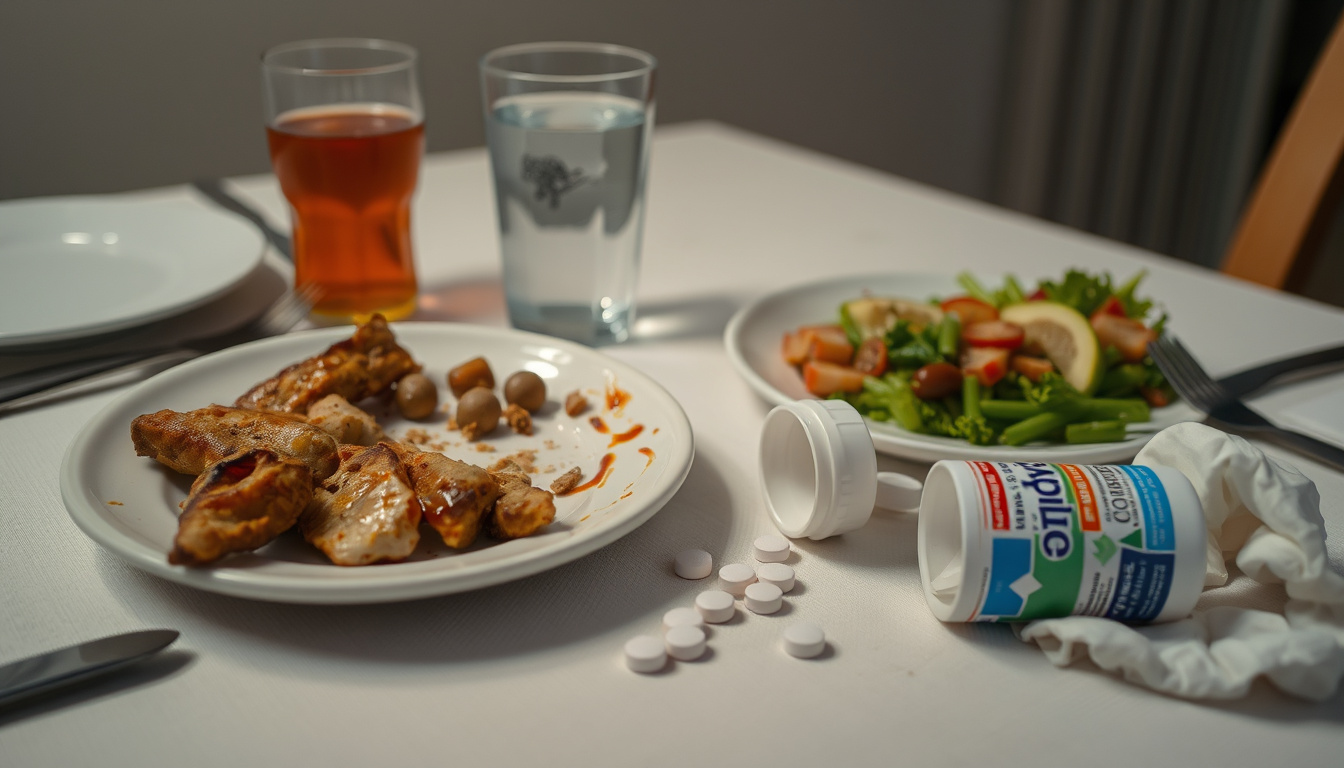
There’s something especially unsettling about a meal you were looking forward to turning into a source of pain. Whether it’s a dull ache, a sharp cramp, or that too-full feeling that lingers for hours, stomach pain after eating is incredibly common — and usually harmless. But sometimes, it’s a signal worth paying attention to. This guide will help you figure out what’s going on, what you can do about it at home, and when a symptom deserves a doctor’s attention rather than a heating pad.
Adults affected by indigestion (dyspepsia): up to 20% (Mayo Clinic) ·
Common cause of abdominal pain after eating: indigestion, gas, or constipation (Cleveland Clinic) ·
Red flag: severe pain that awakens you: seek emergency care (NHS) ·
Pancreatitis pain often radiates to the back: Mayo Clinic
Quick snapshot
- Indigestion leads to fullness and bloating (NHS)
- Pancreatitis pain often radiates to the back (Mayo Clinic)
- Gastritis pain feels like a burning ache in the upper abdomen (Cary Gastroenterology)
- Exact cause of irritable bowel syndrome is not fully understood (NHS) (Manhattan Gastroenterology)
- Why some people develop food intolerances later in life (Manhattan Gastroenterology)
- Gastritis pain feels like a burning ache in the upper abdomen is a common symptom but the exact mechanisms vary (Cary Gastroenterology) (Manhattan Gastroenterology)
- H. pylori and NSAIDs are common ulcer triggers but not everyone with these develops ulcers (Cary Gastroenterology) (Manhattan Gastroenterology)
- Indigestion develops within 30 minutes of finishing a meal (Cary Gastroenterology)
- Ulcer pain follows a cyclical pattern, improving and returning as digestion progresses (Cary Gastroenterology)
- See a GP if pain is getting worse or keeps returning (NHS)
- Seek emergency care for severe pain with vomiting blood or black stool (Mayo Clinic)
The following table summarizes key facts about stomach pain after eating.
| Label | Value |
|---|---|
| Most common cause | Indigestion (dyspepsia) – up to 20% of adults (Mayo Clinic) |
| Red flag: pancreatitis | Pain that radiates to the back (Mayo Clinic) |
| Red flag: stomach tumor | Persistent pain, weight loss, vomiting (NHS) |
| Quick relief option | Peppermint tea or ginger (Baptist Health) |
| Average stomach capacity | 2 to 4 liters (Manhattan Gastroenterology) |
| Lactose intolerance by age 40 | 75% of adults develop it (Manhattan Gastroenterology) |
| Indigestion onset after eating | Within 30 minutes (Cary Gastroenterology) |
| Peptic ulcer vs. indigestion | Ulcer pain more severe, may wake you at night (Cary Gastroenterology) |
| Common ulcer trigger | H. pylori infection or long-term NSAID use (Cary Gastroenterology) |
| Gallstone pain pattern | Sharp upper right pain after fatty meals (Summit Health) |
Why does my stomach hurt after eating?
Common causes like indigestion and gas
- Indigestion (dyspepsia): A feeling of fullness, bloating, or burning that typically develops within 30 minutes of finishing a meal (Cary Gastroenterology).
- Gas and bloating: Gas pain can be sharp and move around the abdomen (Cleveland Clinic).
- Food intolerances: Unlike allergies, these are digestive system reactions, not immune responses (Manhattan Gastroenterology). By age 40, 75% of people develop lactose intolerance (Manhattan Gastroenterology).
When overeating or food intolerance is involved
The average stomach capacity is 2 to 4 liters; exceeding this limit causes discomfort or pain (Manhattan Gastroenterology). Food allergies — where the body mistakes a food protein for a harmful invader and releases antibodies — can cause pain within hours. Common culprits include eggs, milk, peanuts, shellfish, soy, corn, gluten, and wheat (Manhattan Gastroenterology).
Linking pain location to possible causes
- Upper abdomen: Often indigestion, gastritis, or GERD (Forme Medical).
- Lower abdomen: May be IBS or constipation (Cleveland Clinic).
- Right upper quadrant: Suggests gallbladder issues, especially after fatty meals (Mayo Clinic).
- Radiating to the back: Classic sign of pancreatitis (Mayo Clinic).
The pattern: location and timing offer powerful clues. Upper pain starting within 30 minutes of eating points toward indigestion or gastritis, while lower pain hours later might signal IBS or a food intolerance.
For the average reader who experiences occasional post-meal discomfort, the most likely culprit is simple indigestion. But if the same meal pattern keeps causing sharp or burning pain, it’s worth investigating intolerances — 75% of adults develop lactose intolerance by age 40, and the symptoms often go unrecognized (Manhattan Gastroenterology).
The implication: location and timing are powerful diagnostic clues that can guide you toward the right cause.
Indigestion, gas, and food intolerances are the most common causes of post-meal pain. If you experience burning or upper pain shortly after eating, start with simple home remedies and a food diary.
How to stop stomach pain?
Immediate home remedies (heat, rest, hydration)
Sipping water or clear fluids helps ease discomfort (Baptist Health). A warm compress or heating pad on the abdomen can relax muscles and reduce cramping. Resting upright rather than lying flat may also relieve pressure.
Over-the-counter medications
- Antacids: Neutralize stomach acid and provide quick relief for heartburn or mild indigestion.
- Simethicone: Helps break up gas bubbles.
- Caveat: Avoid NSAIDs (ibuprofen, aspirin) if gastritis or an ulcer is suspected — they can worsen the condition (Mayo Clinic).
When to adjust diet: BRAT foods, avoiding triggers
The BRAT diet (bananas, rice, applesauce, toast) provides bland, easily digestible foods that give the gut a break. Ginger or peppermint tea may soothe the digestive tract (Baptist Health). Avoid spicy, fatty, or fried foods, and limit carbonated, caffeinated, and alcoholic drinks — they can irritate an already sensitive stomach. The trade-off: Quick relief options are excellent for occasional discomfort, but if pain returns after every meal, relying on antacids without addressing the root cause can mask a developing ulcer or gastritis.
If you find yourself reaching for antacids more than twice a week, stop self-treating. Frequent use of acid reducers can mask conditions like H. pylori infection or peptic ulcer disease that require antibiotics (Cary Gastroenterology).
The pattern: home remedies work best for occasional pain; persistent symptoms need a medical workup.
For immediate relief, apply heat, sip herbal tea, and take antacids or simethicone sparingly. If you need them more than twice a week, see a doctor to rule out underlying issues.
What stomach pains should you never ignore?
Red flag symptoms requiring emergency care
The NHS advises seeking emergency help if you experience severe pain that comes on suddenly, pain that awakens you from sleep, or pain accompanied by vomiting blood or passing black, tarry stool (Mayo Clinic).
Signs of appendicitis, pancreatitis, or obstruction
- Appendicitis: Pain that starts around the navel and moves to the lower right abdomen, often with fever and nausea (NHS).
- Pancreatitis: Severe upper abdominal pain that radiates to the back, may come on suddenly or build over several days (Mayo Clinic).
- Intestinal obstruction: Cramping pain, vomiting, and inability to pass gas or stool.
When to call 911 vs. see a doctor
Call 911 or go to the ER if the pain is sudden and severe, you’re vomiting blood or have bloody/black stool, your abdomen is rigid or tender to touch, or you’re confused or unable to keep fluids down. See a GP within a few days if the pain is getting worse, you keep getting it after meals, or it’s accompanied by fever, unexplained weight loss, or persistent diarrhea (NHS). Why this matters: The difference between a bad meal and a medical emergency often comes down to two factors — severity and persistence. Sudden, severe pain that makes you double over deserves an ER visit, not a Google search.
Severe sudden pain, pain that wakes you, blood in vomit or stool, or fever require immediate emergency care. Less severe but persistent pain warrants a GP visit within days.
What are the four types of stomach pain?
Location-based types: upper, lower, right, left
Pain location offers one of the strongest diagnostic clues:
- Upper central (epigastric): Indigestion, gastritis, or peptic ulcer. Often feels like a burning ache (Forme Medical).
- Upper right: Gallbladder-related — sharp pain after fatty meals (Summit Health).
- Lower abdomen: IBS, constipation, or food intolerance (Cleveland Clinic).
Pain character: cramping, burning, sharp, dull
- Cramping: Often gas, IBS, or early-stage food poisoning.
- Burning: Indigestion, gastritis, or GERD.
- Sharp/stabbing: Gallstones, ulcers, or pancreatitis.
- Dull/aching: Constipation, overeating, or mild indigestion.
The pattern: Four distinct pain profiles — location plus character — can narrow down the cause. A burning upper ache times poorly with fatty food points toward gallbladder; a sharp lower cramp that comes and goes suggests IBS.
Upper pain points to indigestion or gallbladder; lower pain to IBS or constipation. The pain quality — burning, cramping, sharp — further refines the likely cause.
What drink takes away stomach pain?
Warm liquids: herbal teas, clear broth
Peppermint tea relaxes digestive muscles, reducing cramping (Baptist Health). Ginger tea reduces nausea and inflammation (Baptist Health). Clear broth provides hydration and electrolytes without taxing digestion.
Electrolyte drinks for diarrhea-related pain
If stomach pain comes with diarrhea, an oral rehydration solution or electrolyte drink can replace lost fluids. Water remains the best option for general hydration (NHS).
Avoid: carbonated, caffeinated, alcoholic drinks
Carbonated beverages introduce gas that worsens bloating. Caffeine stimulates acid production. Alcohol irritates the stomach lining and can worsen gastritis or ulcer pain.
The implication: What you drink can either calm an angry stomach or make it worse. Warm, bland liquids — especially ginger or peppermint tea — are evidence-based first-line choices. Carbonated and caffeinated options should be avoided until the pain resolves.
Warm ginger or peppermint tea is the most effective drink for settling an upset stomach. Avoid carbonated, caffeinated, and alcoholic beverages during episodes.
Steps for managing stomach pain after eating
- Assess severity: Is the pain mild and passing, or severe and persistent? Grade it 1–10.
- Check for red flags: Fever, vomiting blood, black stool, rigid abdomen, inability to keep fluids down. If any apply, seek emergency care immediately.
- Apply heat: A warm compress or heating pad on the abdomen for 10–15 minutes can relax muscles.
- Sip fluids: Water, ginger tea, or peppermint tea. Avoid carbonated and caffeinated drinks.
- Rest upright: Lying flat can worsen GERD symptoms. Prop yourself up with pillows.
- Take OTC medication if appropriate: Antacids for heartburn; simethicone for gas. Avoid NSAIDs if gastritis is suspected.
- Keep a food diary: Track what you ate, when the pain started, and the type of pain. This helps identify intolerances over time.
- See a doctor if pattern persists: More than 2–3 episodes per week, or pain that interferes with sleep, warrants a medical evaluation.
“The pain may come on suddenly or build over several days.”
— Mayo Clinic, on pancreatitis (Mayo Clinic)
“Abdominal pain after eating is often caused by indigestion, gas, or constipation.”
— Cleveland Clinic (Cleveland Clinic)
“See a GP if the pain is getting worse or you keep getting it.”
— NHS (NHS)
Confirmed facts
- Indigestion causes bloating and fullness after eating (NHS)
- Pancreatitis pain is often severe and radiates to the back (Mayo Clinic)
What’s unclear
- Exact cause of irritable bowel syndrome is not fully understood (NHS)
- Why some people develop food intolerances later in life (Manhattan Gastroenterology)
- Gastritis pain feels like a burning ache in the upper abdomen is a common symptom but the exact mechanisms vary (Cary Gastroenterology)
- H. pylori and NSAIDs are common ulcer triggers but not everyone with these develops ulcers (Cary Gastroenterology)
The steps above give you a clear action plan: assess, act, and follow up with a professional if needed.
Most episodes of stomach pain after eating resolve on their own within a few hours. The key is distinguishing between benign gas or overeating and conditions that need treatment — like an ulcer, gallstones, or pancreatitis. For the reader who experiences occasional discomfort after a heavy meal, the path forward is straightforward: try home remedies, keep a food diary, and dial back trigger foods. But for anyone whose pain is severe, persistent, or accompanied by red-flag symptoms, the choice is clear: see a doctor, or risk letting a treatable condition turn into an emergency.
cincinnati-gi.com, ubiehealth.com, my.clevelandclinic.org, aarp.org, michiganmedicine.org
Frequently asked questions
Can stomach pain after eating be a sign of cancer?
Rarely, but persistent pain along with unexplained weight loss, vomiting, or blood in the stool can be early signs of stomach cancer. The NHS advises seeing a GP if these symptoms appear.
Is it normal to feel pain after eating every meal?
No — pain after every meal is not normal. It may indicate a chronic condition like gastritis, IBS, or a food intolerance. A medical evaluation is warranted (Cary Gastroenterology).
How long does indigestion pain last?
Indigestion typically resolves within a few hours. If pain lasts longer than 4–6 hours or recurs frequently, it may be a sign of an underlying condition (Cary Gastroenterology).
Can stress cause stomach pain after eating?
Yes — stress can trigger or worsen symptoms of IBS, gastritis, and indigestion by altering gut motility and increasing acid production (NHS).
What is the difference between gastritis and indigestion?
Indigestion (dyspepsia) is a set of symptoms — bloating, fullness, nausea — while gastritis is inflammation of the stomach lining, often causing a burning ache that can be more persistent (Cary Gastroenterology).
Should I stop eating if my stomach hurts?
It’s wise to pause eating until the pain subsides. Then start with small amounts of bland food like crackers or toast. If pain returns, avoid that food group and consult a doctor (Baptist Health).
Can stomach pain after eating be related to gallstones?
Yes — gallstones often cause sharp pain in the upper right abdomen, especially after a fatty meal. The pain can last from 30 minutes to several hours (Summit Health).
Why do I have diarrhea with stomach pain after eating?
This combination often suggests IBS, food intolerance (e.g., lactose), or early-stage food poisoning. A food diary can help identify the trigger (Cleveland Clinic).

Oliver William Davies Thompson is a staff writer for MetroReport.uk, covering city news, transport, housing and urban policy. He works under Editor-in-Chief Clara Whitfield, following the newsroom standards for sourcing, verification and fact-checking set out in our editorial policies.