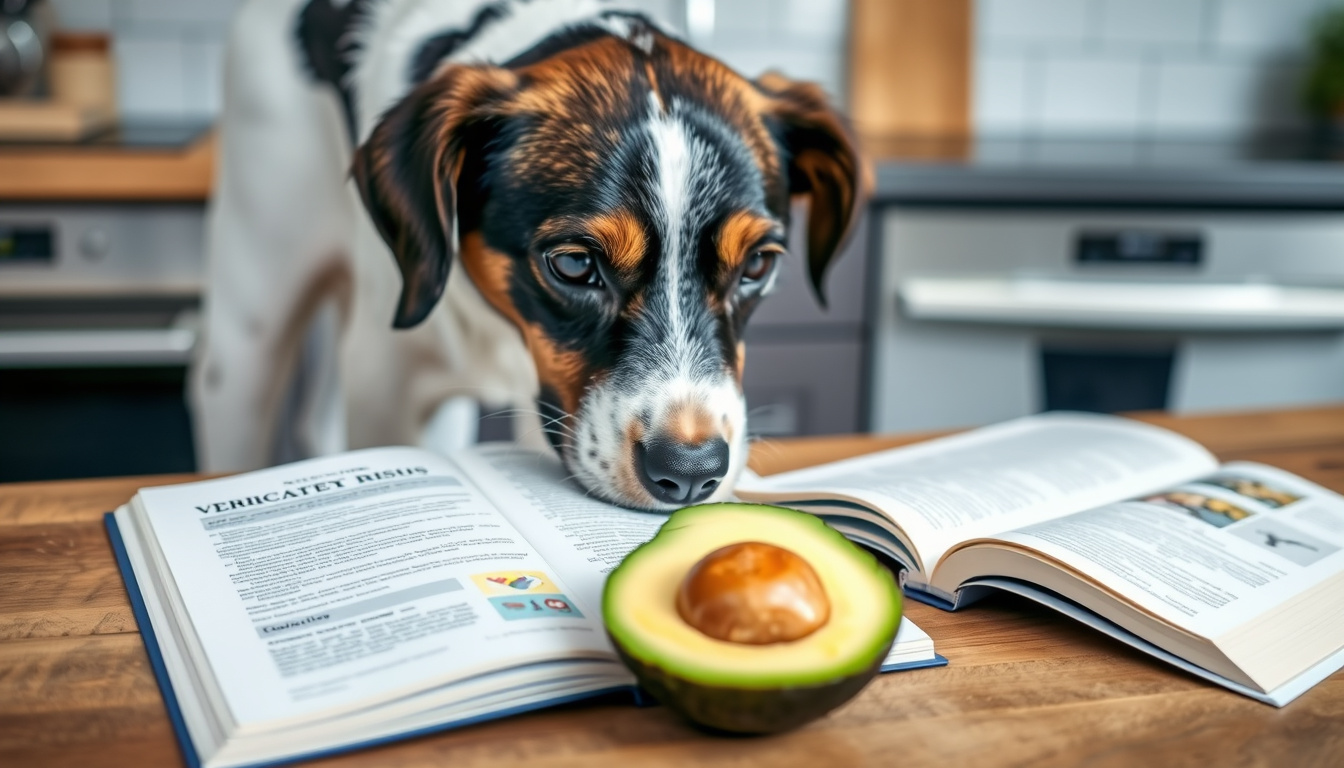
If you’ve ever had your dog give you that hopeful look while you’re slicing an avocado for toast, you’re not alone. The advice is conflicting: the American Kennel Club says a small piece of flesh is fine, while Purina and the ASPCA urge caution over a natural fungicide called persin.
Toxin in avocado: Persin (fungicidal toxin) · Flesh persin level: Low – generally safe in small amounts · Pit/skin persin level: High – avoid feeding · Expert consensus: Mixed: AKC says safe in moderation, Purina/ASPCA advise against · Most sensitive species: Birds, horses, rabbits (dogs less sensitive)
Quick snapshot
- Low persin level (American Kennel Club)
- Safe in small amounts (American Kennel Club)
- High in healthy fats (American Kennel Club)
- Can cause upset stomach if too much (American Kennel Club)
- High persin content (Pet Poison Helpline)
- Choking hazard (Pet Poison Helpline)
- Can cause intestinal blockage (Pet Poison Helpline)
- Do not feed (Pet Poison Helpline)
- Highest persin concentration (Pet Poison Helpline)
- Toxic to dogs (Pet Poison Helpline)
- Rarely eaten but keep away (Pet Poison Helpline)
- Contact vet if ingested (Pet Poison Helpline)
Six key facts, one pattern: the danger rises sharply as you move from the flesh to the pit, skin, and leaves.
| Label | Value |
|---|---|
| Toxin | Persin |
| Flesh safety | Generally safe in small amounts (American Kennel Club) |
| Pit/skin safety | Not safe – high persin + choking risk (Merck Veterinary Manual) |
| Dog sensitivity | Lower than birds/horses (Pet Poison Helpline) |
| Common symptoms | Vomiting, diarrhea, lethargy |
| Vet recommended action | Call vet if pit/skin swallowed or large amount eaten |
Can avocados be safe for dogs?
What does the veterinary consensus say?
- The American Kennel Club (dog breed registry and pet health authority) states that avocado flesh can be a healthy treat when offered safely and sparingly.
- Purina (pet food manufacturer and research organization) advises against feeding avocado due to potential persin toxicity.
- The ASPCA (animal welfare and poison control organization) lists avocado as toxic to dogs because of persin.
The implication: the disagreement isn’t about the chemical facts—it’s about risk tolerance. All three agree the pit and skin are dangerous; they split on the flesh.
Is avocado flesh toxic to dogs?
Avocado flesh contains low levels of persin, which is generally not toxic to dogs in small amounts (American Kennel Club). Symptoms of persin ingestion are rare in dogs but may include vomiting and diarrhea (Merck Veterinary Manual).
Your dog’s low sensitivity to persin means a small piece of flesh is unlikely to cause serious poisoning, but the high fat content still warrants caution. The Pet Poison Helpline (veterinary toxicology resource) reports no confirmed deaths in dogs from persin alone.
Are some dogs more at risk?
- Dogs with pancreatitis or sensitive stomachs should avoid avocado due to its high fat content (Pet Poison Helpline).
- Birds, rabbits, horses, and ruminants are highly sensitive to persin, according to the ASPCA and the Merck Veterinary Manual.
The pattern: species sensitivity varies enormously. What’s harmless to a Labrador can be fatal to a parrot.
How much avocado can I give my dog?
Safe serving size by dog weight
A small piece—about one tablespoon or a few cubes—is considered safe for a medium-sized dog (American Kennel Club). For smaller dogs, reduce to a teaspoon-sized piece.
Can I give avocado every day?
No. Avocado should be an occasional treat, not a dietary staple. The high fat content—roughly 15–20 grams per avocado—can cause weight gain and pancreatitis if fed daily (Pet Poison Helpline).
What form should the avocado be in?
- Only ripe, peeled, pitted avocado flesh should be offered (American Kennel Club).
- Excessive amounts can cause gastrointestinal upset due to fat and fiber content (Purina).
The catch: even the “safe” part is still a fatty indulgence. A single cube once a week is the limit.
Can dogs eat avocado skin?
Why is avocado skin dangerous?
Avocado skin contains higher concentrations of persin than the flesh (ASPCA). It’s also tough and indigestible, which can cause vomiting or blockages.
Can dogs eat avocado seeds?
The pit (seed) contains persin and poses a serious choking hazard or intestinal blockage (Merck Veterinary Manual). Ingestion of skin or pit can cause vomiting, diarrhea, and lethargy (Pet Poison Helpline).
What about avocado leaves and tree bark?
The avocado tree leaves and bark are also toxic and should be kept away from dogs (American Kennel Club). They contain the highest persin levels in the plant.
The pit is the biggest killer—not from poison, but from physical obstruction. If your dog swallows a whole pit, it’s a surgical emergency.
The pattern: the physical dangers of the pit and skin often outweigh the chemical risks of persin itself.
Can dogs eat avocado toast?
Is bread safe for dogs?
Plain bread is generally safe in small amounts, but it adds empty calories (American Kennel Club). Avocado toast often contains bread, which is fine in moderation.
What about seasonings like salt and garlic?
Salt, garlic powder, and onion powder—common on avocado toast—are toxic or unhealthy for dogs. Garlic and onions can cause hemolytic anemia (ASPCA).
Are there any safe avocado-based treats?
A plain piece of avocado flesh is safer than prepared avocado dishes. Avoid guacamole as it typically contains onion, garlic, and salt (American Kennel Club).
Why this matters: what looks like a simple toast becomes a cocktail of dog-toxic ingredients once seasoning is added.
What to do if my dog ate avocado?
When should I call a vet?
- If your dog ate only a small amount of avocado flesh, monitor for mild GI upset (Pet Poison Helpline).
- If the pit, skin, or a large amount of flesh was consumed, contact a veterinarian immediately (Merck Veterinary Manual).
Signs of avocado poisoning to watch for
- Vomiting, diarrhea, lethargy, difficulty breathing, abdominal pain (ASPCA).
- If the pit was ingested, watch for inability to defecate or signs of obstruction (Pet Poison Helpline).
First aid steps at home
- Remove any remaining avocado from reach.
- Do not induce vomiting unless directed by a vet (Merck Veterinary Manual).
- Have the package or avocado part available to show the vet if needed.
- Call the Pet Poison Helpline or your local vet for guidance.
The trade-off: quick action can prevent a blockage from turning into surgery. A vet call is cheap insurance.
Confirmed facts & What’s unclear
Confirmed facts
- Avocado flesh contains low levels of persin (Pet Poison Helpline).
- Avocado pit and skin contain higher levels of persin (ASPCA).
- Dogs can choke on avocado pit (Merck Veterinary Manual).
- ASPCA lists avocado as toxic to dogs (due to persin) (ASPCA).
What’s unclear
- Exact toxic dose of persin for dogs.
- Whether long-term feeding of small amounts is safe.
- Interaction of avocado with other dog foods.
- Prevalence of persin poisoning in dogs.
The implication: the confirmed facts are robust, but the unknowns mean there’s no one-size-fits-all answer for every dog.
Pros & Cons of feeding avocado to dogs
Upsides
- Provides healthy monounsaturated fats (American Kennel Club).
- Contains vitamins E, C, and B6.
- Offers fiber in small amounts.
Downsides
- Persin risk from pit, skin, leaves (ASPCA).
- High fat content can trigger pancreatitis (Pet Poison Helpline).
- Pit choking/obstruction hazard (Merck Veterinary Manual).
- Calorie dense for weight control.
The verdict: the upsides are easily replaced by safer treats, making the downsides easy to avoid entirely.
Step-by-step: What to do if your dog eats avocado
- Assess what was eaten – was it flesh, pit, skin, or leaves? (Pet Poison Helpline)
- Check for symptoms – vomiting, lethargy, diarrhea, straining to defecate.
- Call your vet or the Pet Poison Helpline – share the amount and part ingested.
- Follow professional advice – do not induce vomiting without instruction.
- Monitor for 24–48 hours – if symptoms appear, return to vet.
The pattern: speed matters more than home remedies. A quick phone call can save a surgical visit.
Expert perspectives on avocado and dogs
“Avocado flesh can be a healthy, tasty treat for dogs, but only when offered safely and sparingly.”
— Dr. Michael Hyder, DVM, writing for the American Kennel Club
“It’s best not to feed your dog avocado. We suggest erring on the side of caution because avocados contain Persin.”
“The Scoop on Avocado and Your Pets – avocados are listed as toxic to dogs due to persin.”
— ASPCA Animal Poison Control
The pattern: even experts disagree on the margin of safety, but all agree the pit and skin are off-limits.
Summary
Avocados aren’t the villain for dogs that they are for birds, but they’re not a free-for-all treat either. A tiny piece of flesh now and then is unlikely to cause trouble—but the pit, skin, and leaves are genuine dangers. For dog owners, the choice is clear: stick with proven safe treats like carrots, green beans, or apple slices, or limit avocado to a rare, pea-sized piece of flesh, fully peeled and pitted. Your dog’s digestive tract (and your wallet) will thank you.
For authoritative guidance on whether dogs can safely eat avocado, refer to our comprehensive avocado safety guide which covers persin toxicity and safe portions.
Frequently asked questions
Is avocado safe for dogs in small amounts?
Yes, the flesh is safe in very small amounts—about one tablespoon for a medium dog—but only if peeled and pitted (American Kennel Club).
What are the symptoms of avocado poisoning in dogs?
Vomiting, diarrhea, lethargy, and abdominal pain. Pit obstruction can cause straining and constipation (ASPCA).
Can dogs eat guacamole?
No. Guacamole usually contains onion, garlic, and salt, all of which are toxic to dogs (American Kennel Club).
Are there any health benefits of avocado for dogs?
Avocado provides healthy fats and vitamins E and B6, but these are easily obtained from safer sources (American Kennel Club).
What should I do if my dog eats an avocado pit?
Contact your veterinarian or the Pet Poison Helpline immediately. The pit can cause a life-threatening obstruction (Merck Veterinary Manual).
How long does avocado stay in a dog’s system?
Digestion takes 8–12 hours, but fat and fiber can slow transit. If obstruction occurs, symptoms appear within 24 hours (Pet Poison Helpline).
Can dogs eat avocado oil?
Avocado oil lacks persin and is not toxic, but its high fat content risks pancreatitis and weight gain (American Kennel Club).
Are other fruits like bananas safer than avocado for dogs?
Yes. Bananas, blueberries, and apple slices are lower in fat and pose no persin risk (American Kennel Club).

Oliver William Davies Thompson is a staff writer for MetroReport.uk, covering city news, transport, housing and urban policy. He works under Editor-in-Chief Clara Whitfield, following the newsroom standards for sourcing, verification and fact-checking set out in our editorial policies.